The Schoolchild Within Us: What Maria Capovilla Made Me Think About Growing Old
“I still do some of the things I did when I was in school.”
I stopped for a moment when I read this sentence.
It was spoken by María Esther de Capovilla, the Ecuadorian woman who lived to the remarkable age of 116. In one of her later interviews, while recalling her life, she mentioned that she still made crafts and still did some of the things she had done when she was in school.
There was something unexpectedly powerful about that sentence.
Not because it revealed some secret formula for longevity.
It did not.
In fact, Capovilla herself was hardly presenting a scientific prescription for living to 116. Her life contained many different elements—family, faith, routine, interests, memories and, perhaps most importantly, a continuing engagement with things she enjoyed. She had also been known to dance and make crafts well into old age.
What caught my attention was much simpler.
She had not completely abandoned the person she had once been.
And that made me look at my own life.
I am not what you would call a health-freak kind of person. I don’t spend my days calculating every calorie or turning life into a carefully managed longevity project.
But when I read that sentence, something inside me quietly began making a list.
And the list surprised me.
The things I still do without needing a reason
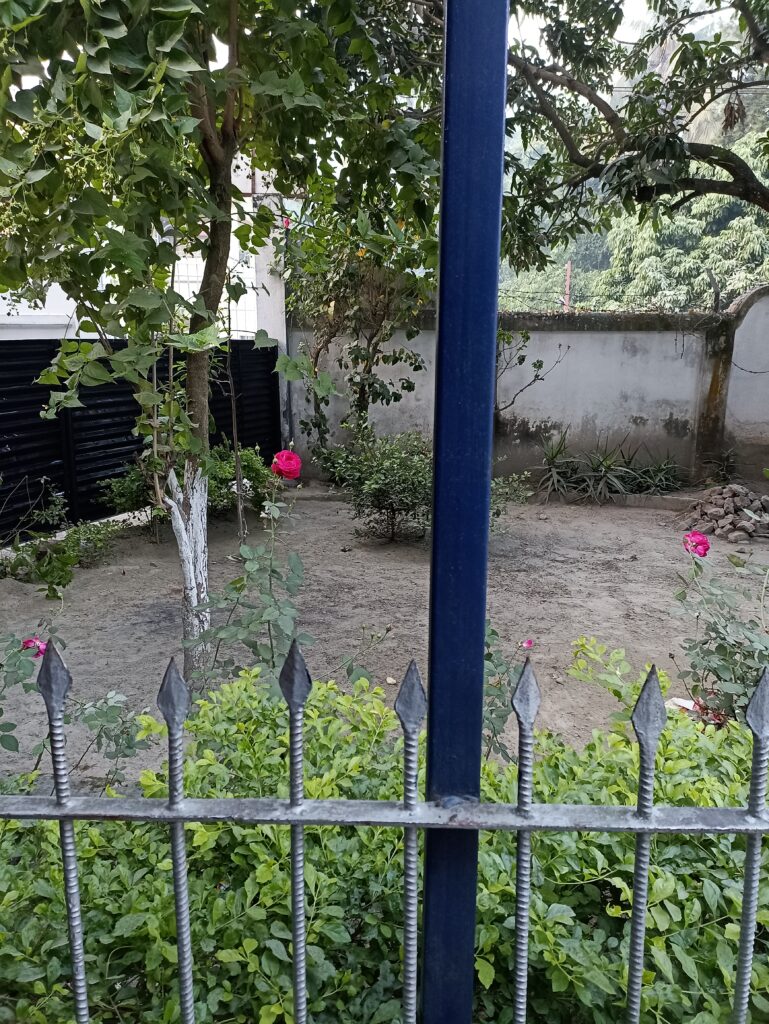
I still spend time in my very ordinary garden.
There is nothing extraordinary about it. It would hardly qualify for a gardening magazine. Yet I can stand there for quite a while, looking at a leaf, noticing a new flower, watching an insect move from one plant to another, or simply wondering why one corner of the garden looks different from the previous week.
I still like walking towards the outskirts of my small township of Birpur.

There, the built-up world gradually begins to loosen its grip. Houses become fewer. Green fields stretch away. And on a clear day, somewhere beyond the Indo-Nepal border, the distant Shivalik hills appear almost as if someone has lightly drawn them with a pencil and then rubbed the edges with an eraser.
I don’t go there with a fitness target.
I go there because I like looking.
That distinction matters.
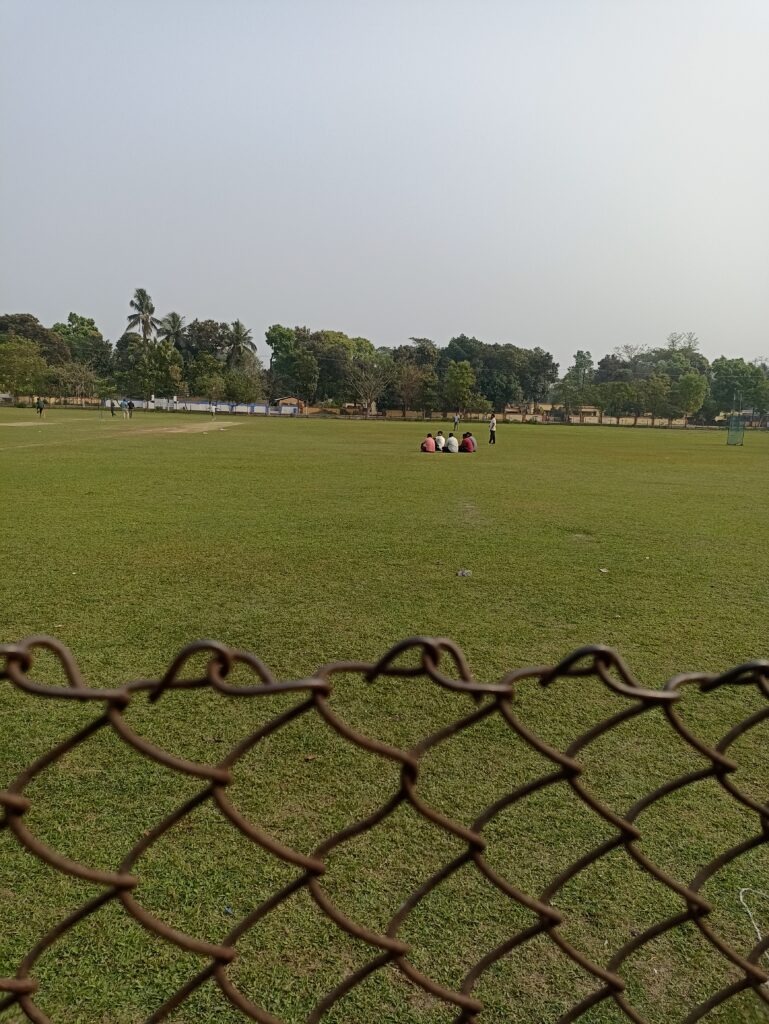
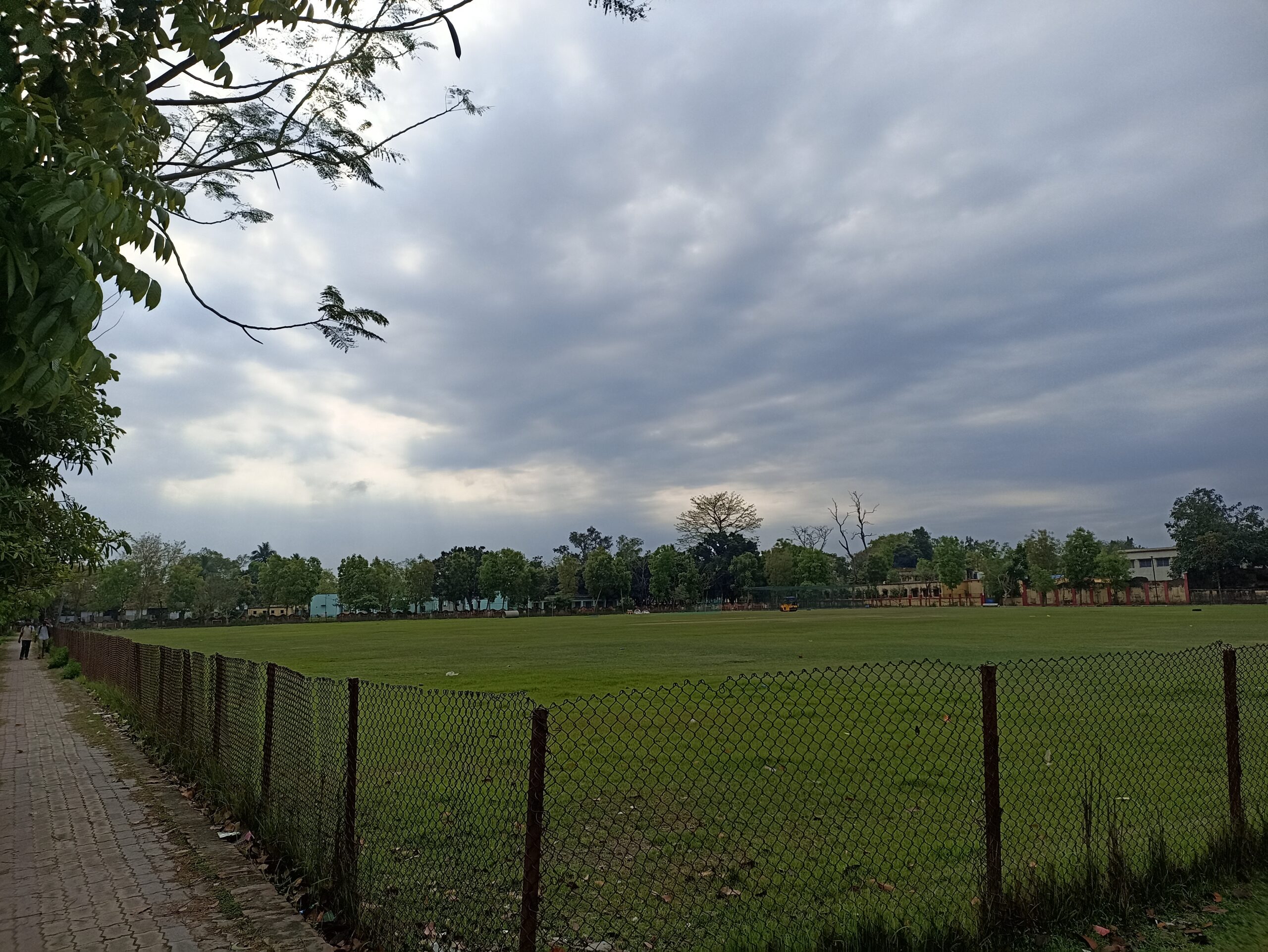
I also like walking around the Kosi Club Ground.
The ground is never quite the same place twice.
Summer gives it one face. The monsoon another. Winter changes the colour of the grass, the quality of the light and even the length of the shadows.
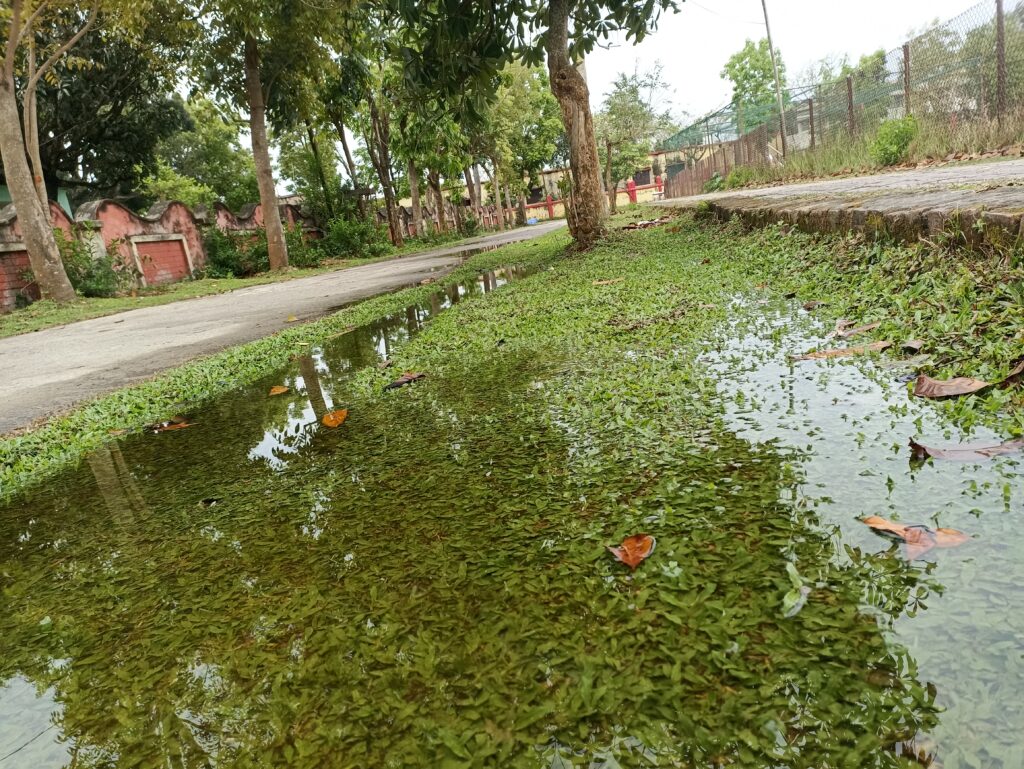
Sometimes I notice a small patch of calm, clear water gathered over the grass.
There is no particular reason to stop and look at it.
But I do.
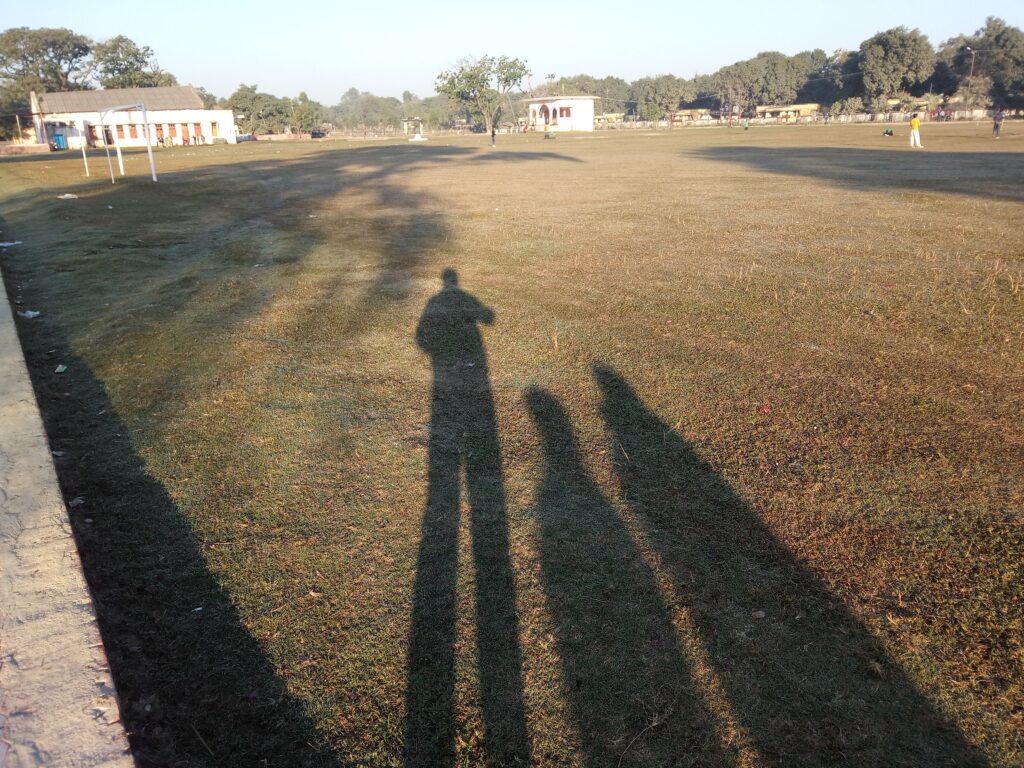
On mellow winter mornings, I sometimes find myself watching the shadows lengthen slowly across the green grass.
Again, there is no achievement involved.
Nothing is being accomplished.
I am simply there.
And perhaps that is precisely why these moments are valuable.
A childhood habit we rarely recognise
Children are extraordinarily good at this.
Give a child an ordinary afternoon and he may find ten things worth investigating.
A puddle.
A beetle.
A strange-shaped stone.
A bird sitting on a wire.
A shop window.
A new bicycle.
A broken wall covered with moss.
A cloud that looks vaguely like an elephant.
Children don’t necessarily ask whether something is useful before giving it their attention.
They look because they are curious.
They wander because they want to know.
They stop because something has caught their eye.
And somewhere along the way, adulthood teaches us to replace curiosity with utility.
We begin asking:
What is the purpose?
What will I gain?
Is this productive?
Will this help my career?
Will this make me healthier?
Can I monetise it?
Even leisure sometimes becomes an assignment.
We walk to complete our steps.
We garden because it is good for our health.
We read because it improves our brain.
We travel because it enriches our experience.
We learn because it advances our career.
All perfectly reasonable.
But perhaps there is another category of activity that we have forgotten.
Doing something simply because some part of us has always loved doing it.
My little list keeps growing
I have always enjoyed looking out for birds during the changing seasons.
There is something wonderfully satisfying about noticing a bird that wasn’t there a few weeks earlier.
Woodpeckers, for instance, can turn an otherwise ordinary walk into a small expedition.
And the tiny nectar-feeding birds that flash among flowers can produce the same feeling of surprise that a child experiences when discovering something new.
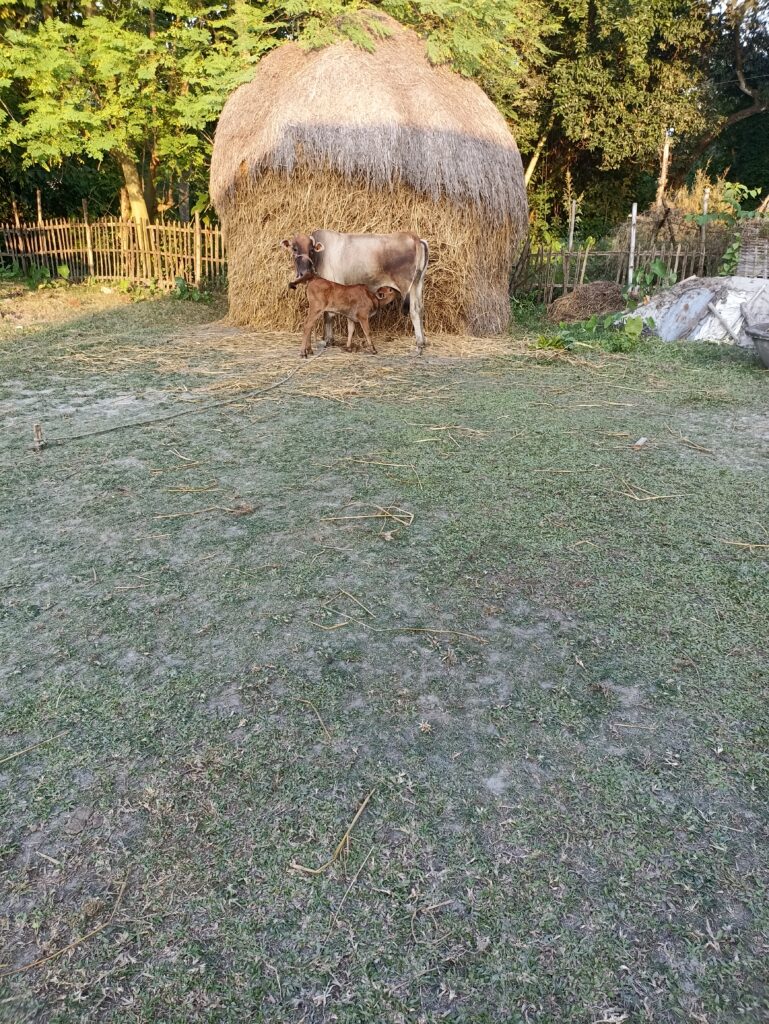
I also find myself looking at ordinary rural homes around me.
A bamboo canopy.
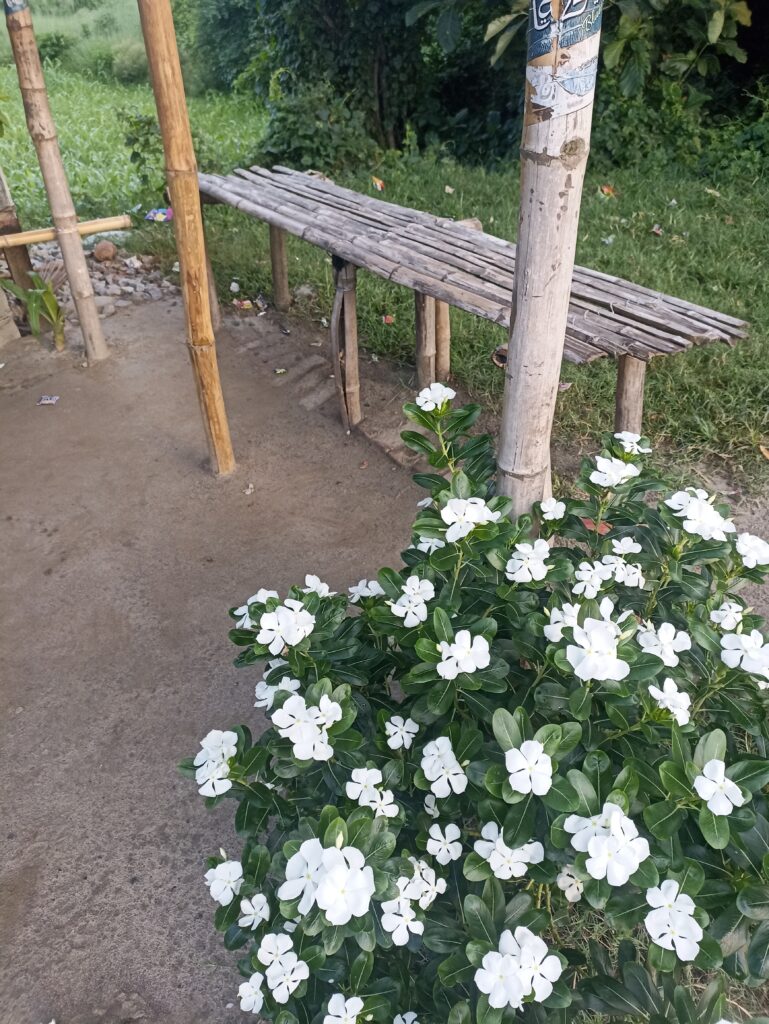
A raised bamboo platform where someone sits in the shade.
A traditional granary.
A courtyard arranged according to habits that may have existed for generations.
Sometimes I stop and wonder at the ingenuity hidden inside such ordinary things.
We often search for design in architecture schools, museums and expensive buildings.
But walk through a rural neighbourhood slowly enough and you may discover that necessity has been designing for centuries.
And then there is one of my less intellectual pleasures.
Sweet shops.
I like looking into their counters.
The shapes.
The colours.
The arrangement.
The familiar sweets appearing with the changing seasons.
There is something almost childlike about standing before a sweet shop and simply looking.
And if the old cinema halls and magazine stalls of my younger days still occupied the landscape in quite the same way, I suspect my list would be longer.
I would still stop to look at the show cards of the films playing that week.
I would still pick up a new magazine and glance through a few pages before deciding whether it was worth taking home.
Perhaps I have not changed as much as I thought.
Perhaps many of us haven’t.
What if our old interests are clues?
This is where Maria Capovilla’s sentence becomes much more interesting to me.
Perhaps the things we loved naturally when we were young tell us something about ourselves.
Not necessarily about our profession.
Not necessarily about our talents.
But about the kinds of attention that come naturally to us.
Some people are fascinated by machines. Some by plants. Some by people. Some by stories. Some by music. Some by animals. Some by buildings. Some by maps. Some by food. Some by the sky. Some by collecting things. Some by making things. Some simply love walking and observing.
These interests can disappear beneath the responsibilities of adult life. School becomes college. College becomes employment. Employment becomes family responsibility. Family responsibility becomes financial responsibility.
And one day we discover that we have become extremely efficient at living but strangely unfamiliar with ourselves.
Perhaps growing older gives us an opportunity to reverse that process.
To ask:
What did I naturally enjoy before life became so serious?
The answer may be surprisingly revealing.
There is science behind the pleasure of having a hobby
This idea is not merely nostalgic.
Modern research increasingly suggests that remaining engaged with enjoyable activities is associated with better psychological wellbeing in later life.
A large international study published in Nature Medicine examined data involving more than 93,000 people aged 65 and above across 16 countries. Researchers found that hobby engagement was associated with fewer depressive symptoms and higher levels of happiness, life satisfaction and self-reported health. The association was observed across very different countries and cultures.
That does not mean that a hobby is a magic medicine.
Nor does it prove that taking up a hobby will automatically make someone live longer.
But it does tell us something important.
A life containing things we genuinely enjoy appears to be a healthier psychological environment than a life stripped of them.
Other research has also linked leisure activities with cognitive health in older adults. A systematic review and meta-analysis found that many forms of leisure activity were positively associated with cognitive function, while researchers continue to emphasise the need for better longitudinal evidence.
That makes intuitive sense.
When we watch birds, we are noticing movement.
When we garden, we observe change.
When we read, we interpret.
When we walk familiar streets, we compare today’s landscape with yesterday’s.
When we look at a traditional structure, we wonder how and why it was made.
When we search for something we enjoy, we pay attention.
And attention is one of the quiet ways in which the mind remains engaged with the world.
Perhaps curiosity is a form of exercise too
We usually think of exercise as something that happens to the body.
But curiosity exercises something else. It makes us notice. It makes us compare. It makes us remember. It makes us ask questions. It gives ordinary surroundings the possibility of becoming interesting again.
Imagine two people walking along exactly the same road.
One sees a road.
The other notices that the rice fields have changed colour, that a particular bird has appeared, that the clouds are different from yesterday, that a new bamboo structure has appeared outside a house and that the distant hills have disappeared behind haze.
They have travelled the same distance.
But perhaps they have not experienced the same journey.
This is why I increasingly think that engagement with life may matter as much as activity itself.
You do not necessarily need an expensive hobby.
You don’t need a membership card.
You don’t need special equipment.
You may simply need something worth noticing.
The antidote to monotony may already be around us
One of the quiet problems of growing older can be repetition.
The same room.
The same newspaper.
The same conversations.
The same television programmes.
The same routine.
Routine can be comforting. But too much sameness can make days blur into one another.
Interests create small variations. Today there is a new flower. Tomorrow there is a bird. Next week the grass has changed. A few days later the winter light falls differently.
The familiar world begins producing little surprises again.
And perhaps that is why my walks around the Kosi Club Ground never feel exactly repetitive.
The ground is familiar.
But it is never identical.
Nature keeps editing it.
We don’t have to become children again
There is, of course, a difference between childhood and old age.
We cannot—and should not—try to live as children forever.
But perhaps we can preserve something from childhood without becoming childish.
The curiosity.
The capacity for wonder. The willingness to look closely. The pleasure of doing something without immediately asking what it will achieve. The ability to become absorbed in something small.
These qualities do not have an expiry date.
Perhaps they become even more valuable with age.
A person who has spent decades working, raising a family, meeting responsibilities and solving problems may finally have something precious that a child does not have:
the freedom to understand what truly interests them.
And that is where the idea of returning to our school-day interests becomes more than nostalgia.
It can become rediscovery.
What did you love before you had to be useful?
This may be a worthwhile question for anyone approaching later life—or already living it.
What did you enjoy before you started worrying about whether it was productive?
Did you draw?
Read?
Walk?
Collect stamps?
Watch birds?
Repair things?
Write stories?
Listen to music?
Look at trains?
Grow plants?
Cook?
Make things with your hands?
Visit markets?
Study maps?
Watch people?
Take photographs?
Look at the sky?
Perhaps the activity itself is no longer possible in exactly the same form. That doesn’t matter.
The deeper interest may still be there.
Someone who loved drawing may discover photography. Someone who loved exploring may discover walking. Someone fascinated by plants may discover gardening. Someone who loved stories may begin writing memories. Someone who enjoyed making things may return to crafts.
The childhood activity may change.
The underlying curiosity does not have to.
Maybe growing old is partly about becoming yourself again
We spend much of life becoming someone – A student. A professional. A husband or wife. A parent. A provider. A responsible adult.
These identities are important.
But beneath all of them there was once simply a person who liked certain things.
A child who stopped to look.
A teenager who collected.
A schoolboy who wandered.
A girl who drew.
A young person who read every magazine she could find.
A child who could spend half an hour watching ants carry something across a courtyard.
That person doesn’t necessarily disappear.
Sometimes we simply stop visiting them.
Perhaps healthy ageing is not only about preserving muscles, memory and mobility. Perhaps it is also about preserving the reasons for getting out of bed with curiosity.
Not every morning has to bring a grand purpose. Sometimes it is enough to wonder what the garden looks like today.
Whether the winter light has returned.
Whether the birds have arrived.
Whether the distant hills are visible.
Whether the sweet shop has something new in its counter.
Whether that old bamboo structure is still standing.
Whether the grass has changed colour.
These are small reasons. But a life is ultimately made of small reasons.
And perhaps this is what Maria Capovilla unknowingly reminded me
When María Capovilla said she still did some of the things she had done at school, she may not have intended to offer a philosophy of ageing.
Yet that little sentence stayed with me.
She had crossed more than a century.
The world around her had transformed almost beyond recognition. And still, somewhere inside that extraordinarily old woman, there remained a person who liked making things, dancing, remembering and doing things she had once enjoyed as a schoolgirl.
Maybe that is the part of her story worth remembering and not that she lived to 116. Not that she possessed a secret formula. But that she apparently retained some connection with the things that had once made her feel like herself.
That makes me look differently at my own walks through Birpur.
Perhaps I am not wasting time when I stop to look at a patch of water on the grass.
Perhaps I am not being unproductive when I stand in my garden watching a flower.
Perhaps looking at distant hills, searching for birds, noticing bamboo structures or peering into a sweet shop are not meaningless little distractions.
Perhaps they are tiny threads connecting the person I was with the person I am.
And maybe that connection is worth protecting.
Because growing older does not necessarily mean leaving the schoolchild behind.
Perhaps one of the gentlest ways of growing old is to keep inviting that schoolchild along.
After all, he may still know something that the adult version of us sometimes forgets:
Life does not always have to be useful to be worth noticing.
Author’s Note
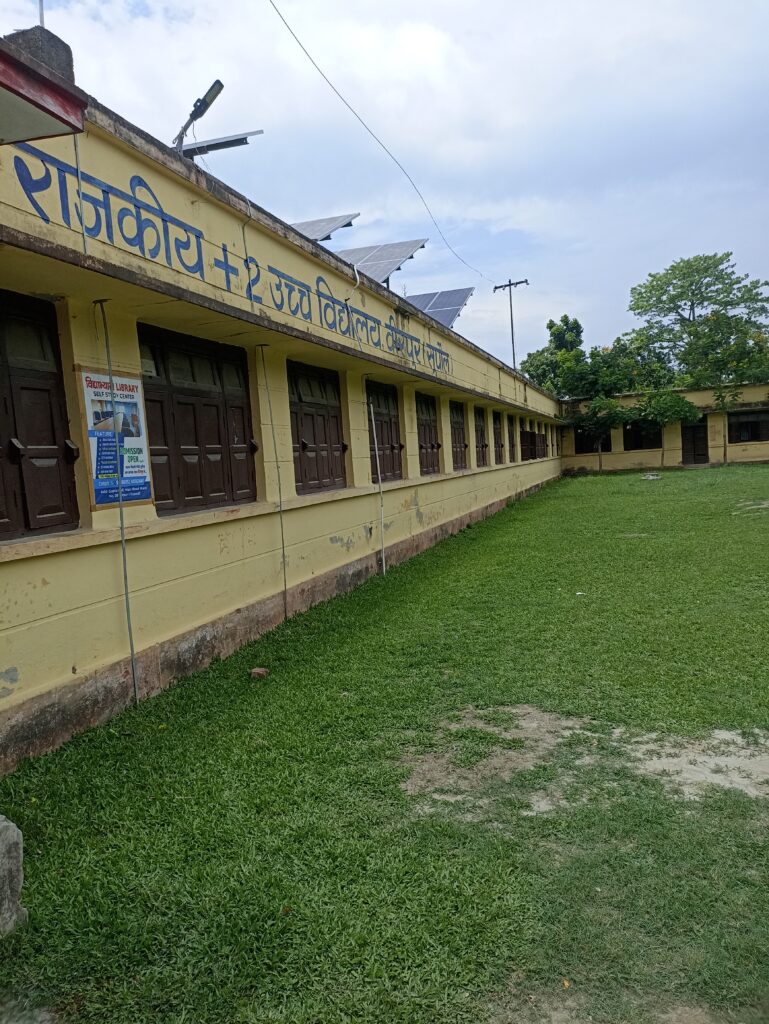
The thoughts in this article began with a simple sentence attributed to María Capovilla, but much of what followed came from looking at my own surroundings in Birpur. The garden, the Kosi Club Ground, distant hills, birds, bamboo structures and even sweet-shop counters are not abstract examples. They are the ordinary things that continue to catch my attention. Perhaps that is why this subject stayed with me: sometimes our oldest interests quietly tell us who we still are.
Sources & Further Reading
- Mak, H. W., Noguchi, T., Bone, J. K., et al. (2023). “Hobby engagement and mental wellbeing among people aged 65 years and older in 16 countries.” Nature Medicine, 29, 2233–2240.
- Sala, G., Jopp, D., Gobet, F., et al. (2019). “The impact of leisure activities on older adults’ cognitive function, physical function, and mental health.” PLOS ONE, 14(11), e0225006.
- Bone, J. K., Bu, F., Sonke, J. K., et al. (2024). “Leisure engagement in older age is related to objective and subjective experiences of aging.” Nature Communications, 15, 1499.