Aesthetics of Growing Old: Lessons from Venice
There are some cities that do not merely exist — they age.
And strangely, they age beautifully.
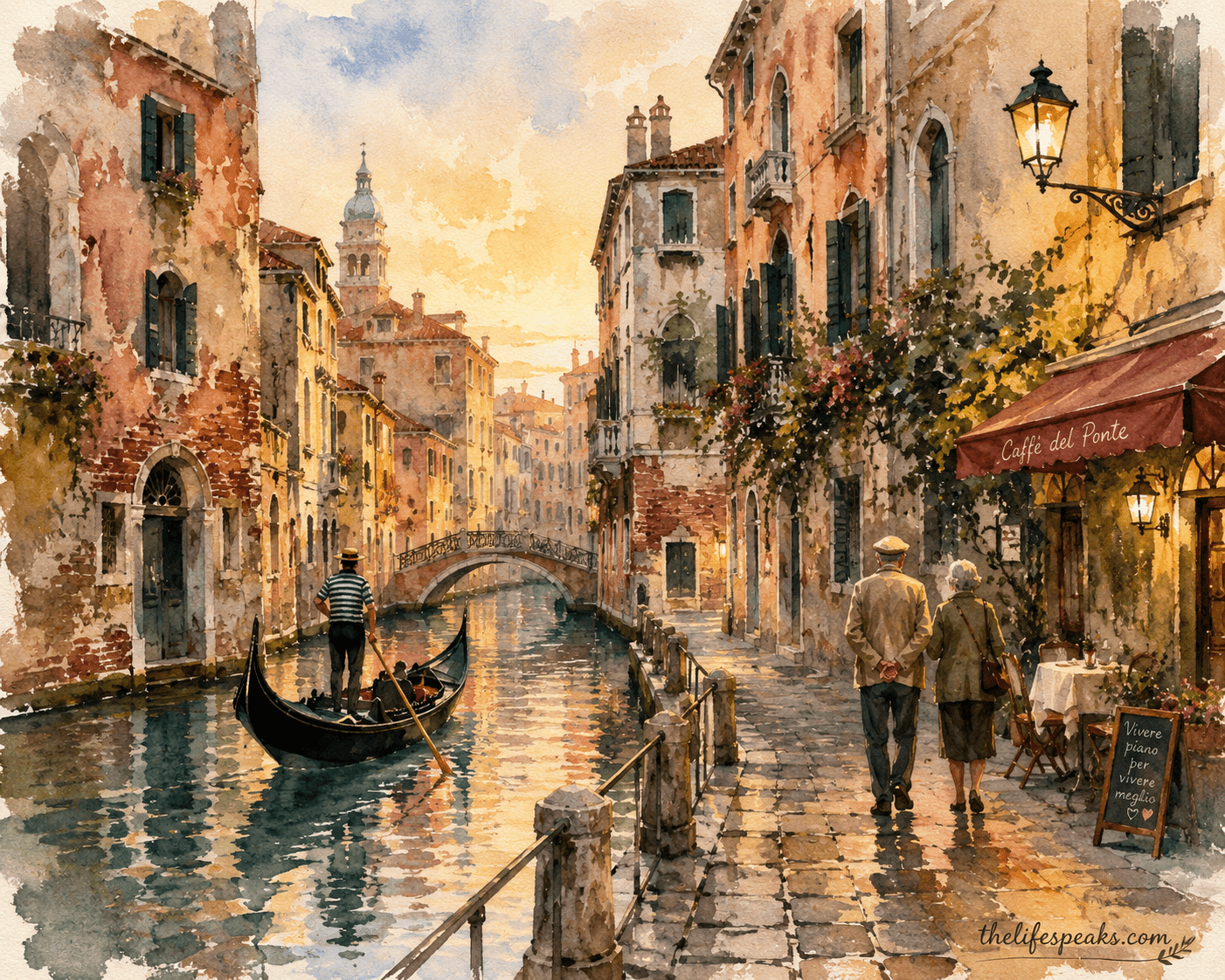
Not long ago, while wandering through images of old Italian streets and canals in Venice, I found myself staring at walls whose paint had faded, stones polished by thousands of footsteps, narrow lanes carrying the quiet rhythm of ordinary life. Nothing was perfect there. The buildings leaned a little. The bricks showed fatigue. Time had clearly visited and stayed.
Yet the city did not seem diminished.
It seemed deeper.
Old Cities Do Not Hide Their Wrinkles
Walk through an old city, and you notice something unusual.
The cracks are not hurriedly erased.
The walls do not apologise for weathering.
Time is visible.
In places like Venice, Rome, or forgotten European towns, age does not hide in embarrassment. It sits openly on walls, bridges, windows, and pathways. Moss grows quietly where perfection once stood. Paint fades. Corners soften.
Yet people travel thousands of miles to admire these very imperfections.
No tourist stands before an ancient wall and says, “What a shame this building is not brand new.”
Instead, they whisper:
“How beautiful.”
Aesthatics Behind Letting Old Cities Reveal Their Unmasked Weary Smile
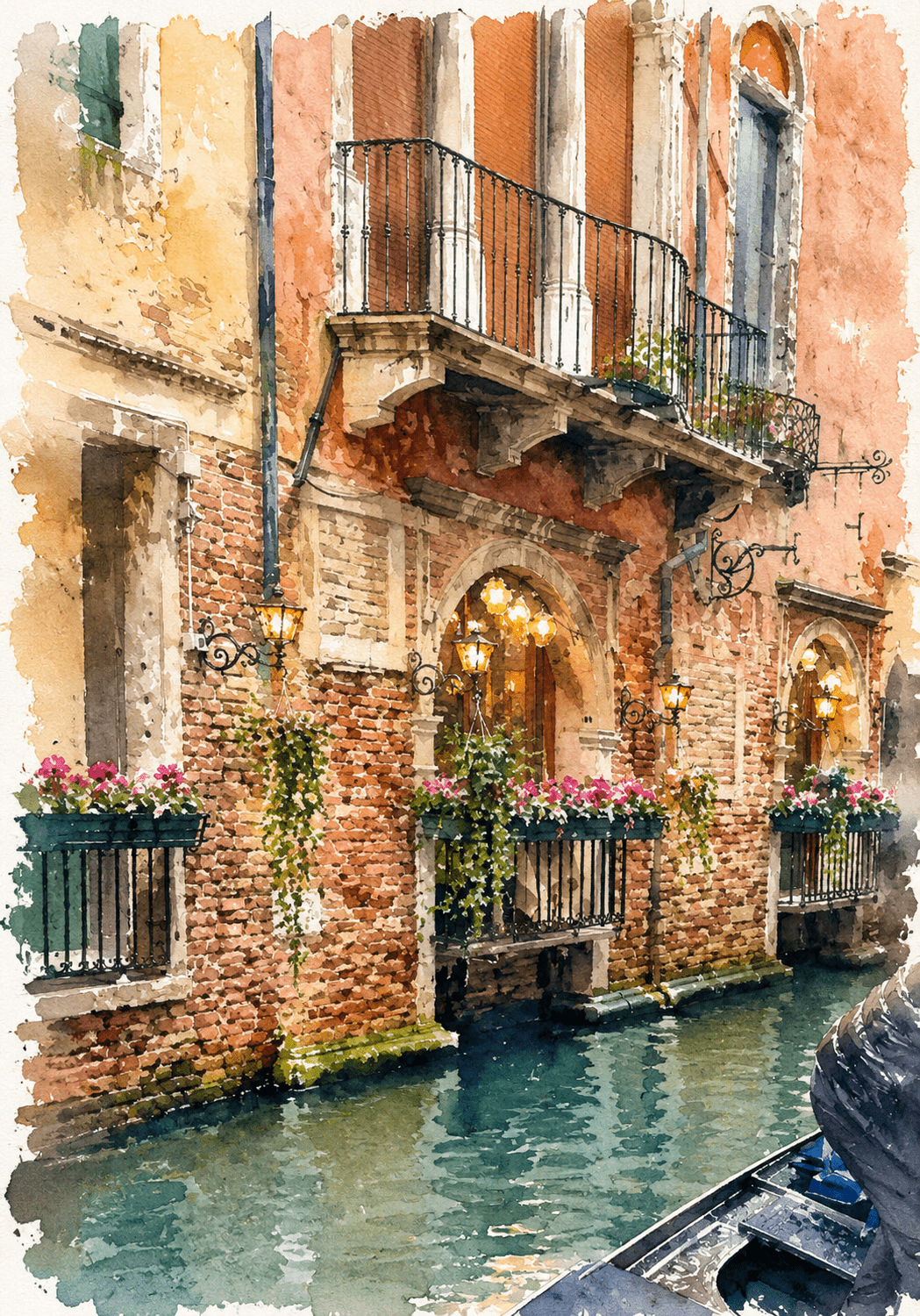
In many old European cities, preserving the “aged” appearance is often a deliberate legal, cultural, and aesthetic choice. But there is nuance.
Be it Venice or Rome, in these historic districts, there are usually strict municipal and heritage preservation laws controlling what owners can alter on old buildings. These regulations often govern :
façade colours and materials;
windows, shutters, roofs, balconies;
type of plaster or stone used in repairs;
whether a wall can be fully modernised or repainted;
even the kind of signage businesses may display.
In many places, owners cannot simply renovate an old structure into something shiny and modern, especially if the building lies in a protected historic zone or heritage register.
For example, much of Venice is protected under heritage conservation systems linked to both the Italian state and UNESCO because the city itself is treated as a historic cultural landscape rather than just real estate. Similarly, historic areas of Rome have preservation restrictions because centuries-old urban fabric is considered part of national identity.
There is also a philosophy behind it
Some Europeans — especially in places like Italy or France — inherit an aesthetic comfort with ageing itself.
An old café chair, weathered stone staircase, faded wooden door — these are often seen as signs of authenticity.
There is even a Japanese concept, though from another culture, called Wabi-sabi — finding beauty in imperfection, incompleteness, and ageing. While Europeans do not literally follow this philosophy, old European cities often evoke a similar emotional response.
The building says :
“I have survived.”
How curious that we offer old cities a kindness we rarely offer ourselves.
We cover grey hair in panic.
We resent wrinkles.
We mourn energy that has changed shape.
But perhaps age is not damage.
Perhaps it is evidence.
The face of an older person is not unlike an old city wall — marked by weather, touched by seasons, carrying stories invisible to the young.
A wrinkle may simply be memory settling gently upon the skin.
Grace Is Different From Youth
Modern culture often treats ageing as losing.
Losing speed.
Losing beauty.
Losing relevance.
But old cities teach a different lesson.
They show us that there is a beauty that arrives after freshness.
A beauty impossible in youth.
A newly built street may impress, but an old stone pathway carries atmosphere. It has witnessed reunions, grief, festivals, quiet mornings, forgotten conversations, and countless ordinary Tuesdays.
Its value grows with memory.
Human life may not be so different.
Youth shines brightly, yes.
But grace belongs to age.
There is something quietly beautiful about people who have softened without becoming bitter. Those who have suffered yet still laugh easily. Those who no longer rush to prove themselves because life has already taught them what matters.
Growing old gracefully is perhaps not about remaining young.
It is about becoming whole.
Slowing Down Is Not Always Falling Behind
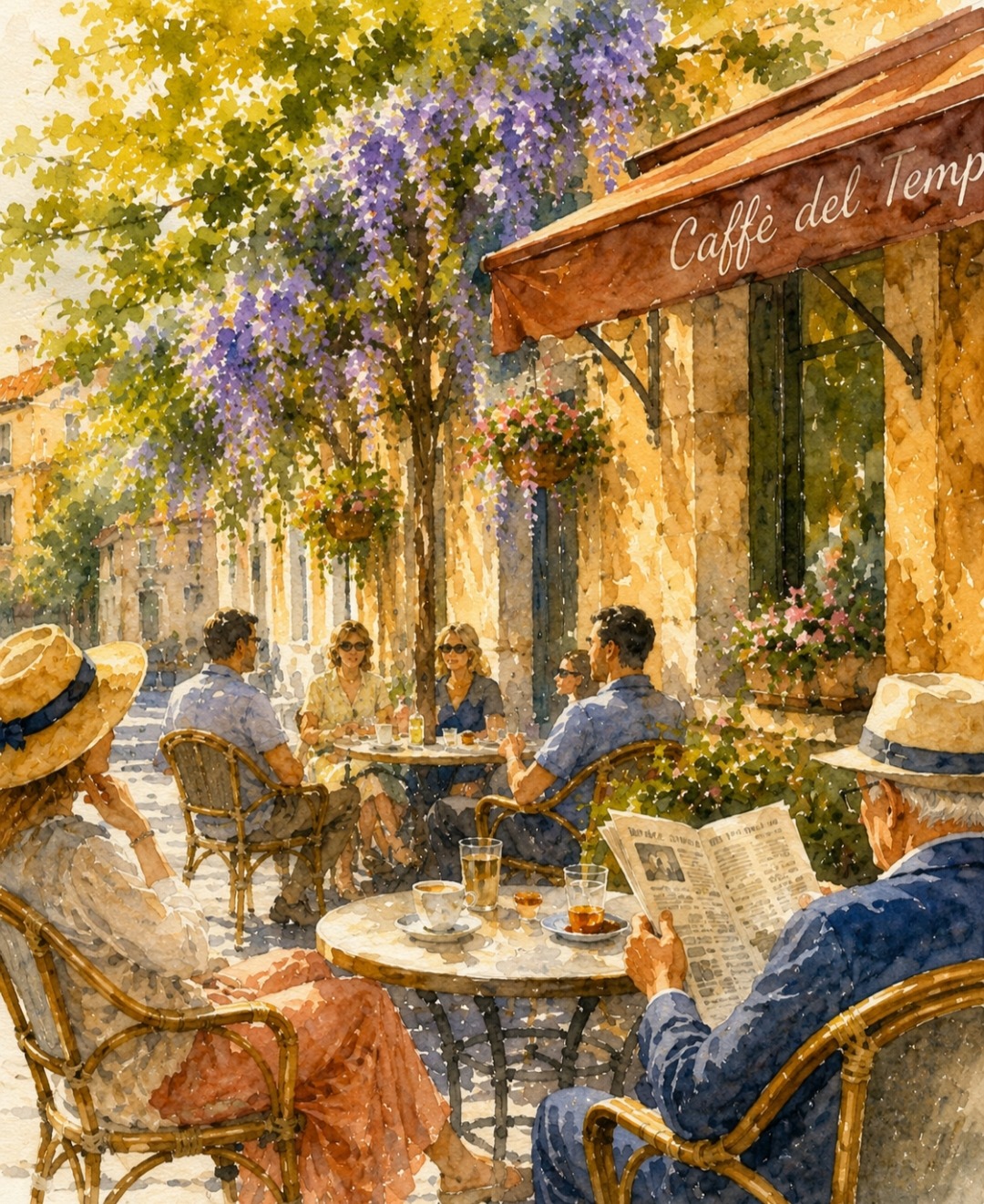
One of the loveliest things about old cities is their refusal to hurry.
A narrow street cannot be rushed.
A canal invites slowness.
People sit at cafés without appearing guilty for “wasting time.”
In many old European towns, life still pauses for conversations, meals, and walks.
The world around them may move faster, but they seem to quietly insist:
Some things should not be hurried.
Perhaps ageing asks the same of us.
In youth, speed often feels like achievement.
More work.
More plans.
More proving.
But with time comes another invitation — to slow down without feeling defeated.
To sit longer with tea.
To value fewer but deeper friendships.
To enjoy silence.
To stop competing with the clock.
We often fear slowing because we mistake it for decline.
Yet old cities whisper another possibility:
Slowness can also be maturity.
After all, rivers do not apologise for flowing gently.
Not Everything Needs Renovation
There is another quiet wisdom old cities hold.
They preserve.
They repair — but do not erase.
An ancient building may be strengthened, but its original soul remains untouched.
Modern life, however, constantly pressures us to reinvent ourselves.
Be younger.
Look newer.
Stay endlessly updated.
But perhaps there is dignity in remaining recognisably ourselves.
Age may smooth certain roughness, yes.
Wisdom may soften sharp opinions.
But not everything needs replacing.
Some values deserve preservation:
kindness, humour, patience, wonder, curiosity.
Like old wooden doors that continue opening after decades, perhaps people too grow stronger not by becoming someone else — but by staying deeply themselves.
Perhaps We Have Been Asking the Wrong Question
Maybe the goal of life was never:
“How do I stay young?”
Perhaps the better question is:
“How do I age beautifully?”
Old cities seem to answer softly:
Do not fear your seasons.
Wear your stories.
Let time deepen you instead of frightening you.
Keep beauty alive, even if it changes shape.
And above all, remain open to wonder.
For the most beautiful cities in the world are rarely the newest ones.
They are the ones that time has touched — and somehow, instead of shrinking, they learned how to glow differently.
Maybe human beings can too.