A Weekend in Poland: Where the Present Meets the Memories of the Past
Yes, dear readers, our European weekend journey now moves eastwards, from Britain to Poland.
And when I take a reflective look at Poland on the world map—its position, its neighbours and the lands surrounding it—I cannot help thinking about the extraordinary journey its people have travelled through time. Watching a Polish weekend life is an awesome opportunity to feel the subtle threads of this journey !
Poland has stood at an important crossroads of Europe. Its geography has brought it into contact with different peoples, cultures and political powers, but it has also exposed its people to some of the continent’s most difficult periods of war and occupation.
Even today, Poland’s geographical position means that conflict in its neighbourhood is not something completely distant from its consciousness.
Perhaps, therefore, when we look at the interesting weekend life and lifestyle of Polish people, we should remember that beneath the ordinary pleasures of family, food, markets, forests and changing seasons lie deeper layers of memory.
Its geography, climate and agriculture have shaped what people eat and how they live. Its forests and fields have influenced traditions. And its history—sometimes painful, sometimes resilient—has travelled quietly from one generation to another through families, stories and perhaps also through traditions – culinary, living and art and craft. Anyway, let’s return from history to the present and more specifically to an ordinary family weekend in Poland.
Saturday Morning: A Home Wakes Slowly
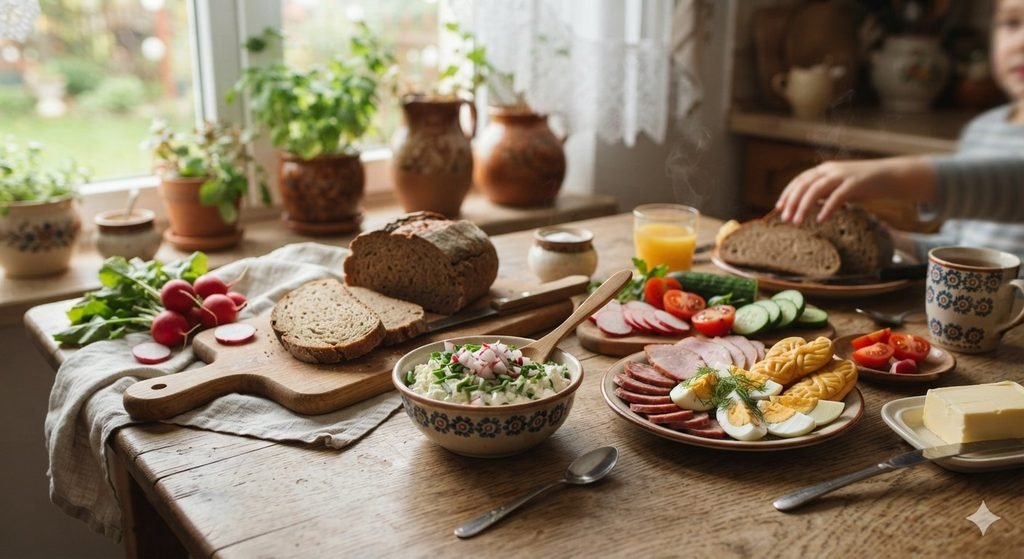
Image credit : Gemini
It is Saturday morning.
There is no need to imagine anything grand. A Polish weekend, like a weekend anywhere else, often begins with the small sounds of home. Someone opens the curtains. Someone prepares breakfast. A child may still be sleeping. A parent may already be thinking about shopping, household work or plans for the day.
The pace is slower than on a weekday.
Breakfast may include bread, butter, cheese, eggs, cold meats and fresh vegetables. A simple preparation of twarożek, a fresh farmer’s cheese often mixed with herbs or vegetables, may accompany the bread.
There is something reassuring about such a meal.
It is ordinary.
And perhaps that is exactly where a country’s culture becomes most visible—not in ceremonies, but in the food placed on an ordinary family table.
And, while writing this article, I have come to know very interesting words about Polish dining etiquettes : “Smacznego!” and “Dziękuję !”
“Smacznego” is the Polish equivalent of “Enjoy your meal.” It is a deeply ingrained cultural phrase used right before eating, and it comes from the Polish word smaczny, which means “tasty” or “delicious.” Wishing someone a tasty meal is a core part of Polish hospitality. It transforms eating from a basic necessity into a shared, welcoming experience.
It is considered polite to wait until the host, the cook, or the eldest person at the table says “Smacznego!” before anyone begins eating. And when someone wishes you this, the standard and polite response is “Dziękuję” (Thank you).
Polish food has developed from the resources of its landscape. Wheat and rye have long been important crops. Potatoes, cabbage, beets, apples, berries and mushrooms appear in many forms in Polish cooking. The fields and forests have, in a quiet way, entered the kitchen.
Weekend Food speaks the Landscape Behind
Poland’s landscape is varied.
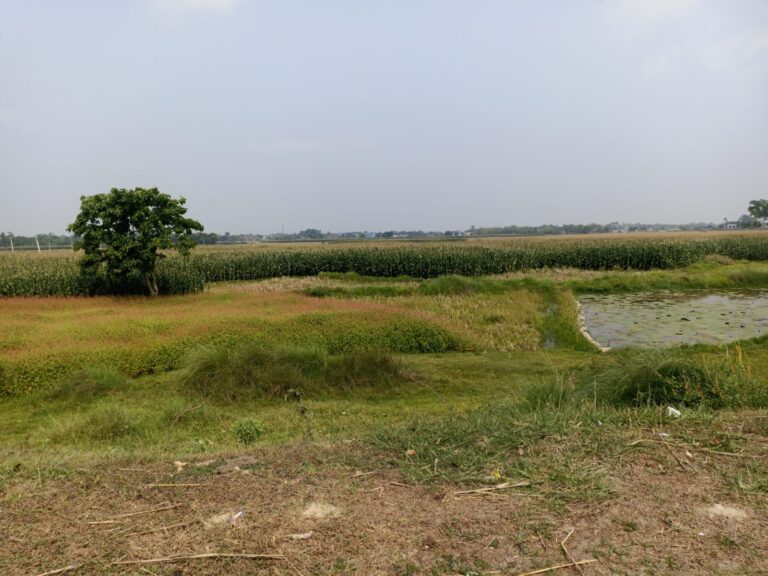
There are broad agricultural plains, fertile river valleys, forests and lakes across Poland, while the mountains rise towards the south and the Baltic Sea lies to the north.
Some of these landscapes seem to find their way directly onto the Polish dining table. The fertile agricultural lands of Wielkopolska and the Vistula lowlands produce cereals and other crops; the orchards around Grójec in Mazovia are famous for apples; while the fertile lands around Lublin and Sandomierz are important for fruit and berry cultivation. The Vistula and Oder river valleys add another dimension to this agricultural landscape.
Then there are the forests. Białowieża in the east, the Tuchola Forests in the north and the woodland regions of Masuria bring another kind of richness—mushrooms, berries and the quiet abundance of the forest.
In this way, Poland’s geography is not merely something we see on a map. Its plains, orchards, river valleys and forests gradually make their way to the kitchen, and finally to the dining table.
Poland’s climate, with cold winters and warm summers, has also influenced the rhythm of life. And perhaps this becomes most noticeable when we look at food.
A summer table may bring fresh berries, strawberries, cherries, raspberries and vegetables from gardens and farms.
Autumn brings apples, plums and mushrooms.
Winter encourages hearty soups, preserved foods and dishes that provide warmth.
The seasons therefore do not simply change the scenery outside the window.
They quietly change the kitchen as well.
And this connection between land and food is something we have encountered throughout our European journey. The geography of a country often tells us what its people grow. The climate tells us when they grow it. And generations of people turn those ingredients into a cuisine of their own. A weekend provides ample opportunity to discover this connection of kitchen and landscape and climate by taking a stroll to the outskirts.
Saturday at the Market
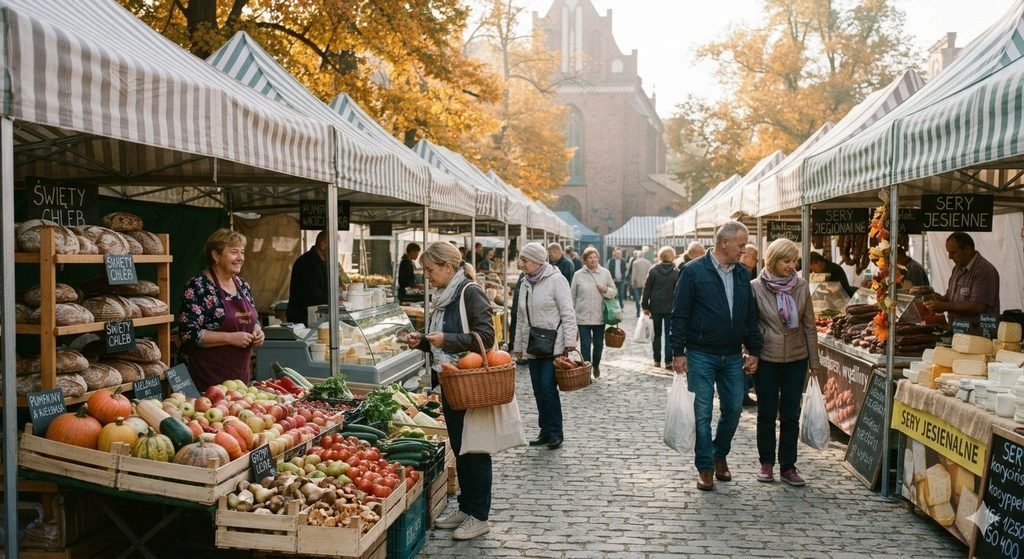
Image credit : Gemini
By late morning, a Polish Saturday may lead towards a local market or food shop.
For an Indian visitor, the first impression can be rather interesting.
A targowisko—an open-air marketplace—may not have the crowded, almost restless character of a traditional Indian sabzi mandi. The stalls can appear more orderly, often arranged in rows, with fruit, vegetables, bread, cheese and other produce carefully displayed. There is movement, but not necessarily a sense of hurry.
People come with shopping bags or baskets, stop at a stall, examine the produce, exchange a few words with the seller and move on. The market has its own quiet rhythm.
And Saturday has a special practical importance here. Poland has restrictions on Sunday retail trading, so many people complete their ordinary shopping before Sunday arrives. The rule has exceptions and designated trading Sundays, but the broader idea is quite striking to an Indian observer: a modern European country has deliberately left much of Sunday outside the normal rhythm of retail shopping.
The difference is subtle, but it makes one think.
In India, the weekend often brings people out to markets.
In Poland, Saturday shopping can also be part of preparing for a quieter Sunday.
The market therefore becomes more than a place to buy food. It becomes one of those small places where the character of weekend life reveals itself. It also hints what are the expectations of Polish kitchens on a weekend.
The farmer’s field is represented by the vegetables on a stall.
The orchard appears through baskets of apples.
The countryside enters the town.
And the kitchen waits at the other end of the journey.
Markets are interesting places to observe everyday life.
People come for vegetables, fruit, bread, dairy products, meat and other household necessities. There may be conversation between buyers and sellers, familiar faces meeting after several days and someone stopping for a quick word with a neighbour.
In summer, the colours of fruit and vegetables brighten the market.
In autumn, apples, pears, plums and mushrooms remind us that the harvest season has arrived.
The market is therefore more than a place to buy food.
It is a meeting point between town and countryside.
The farmer’s field is represented by the vegetables on a stall.
The orchard appears through baskets of apples.
The forest appears through mushrooms and berries.
And the kitchen waits at the other end of the journey.
Pierogi: A Little Piece of Poland on the Table
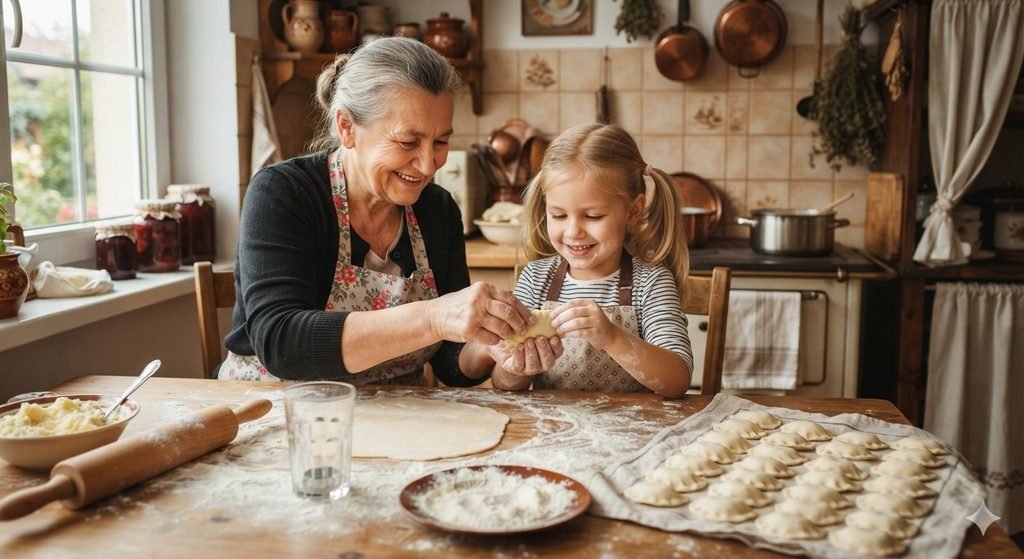
Image credit : Gemini
Sooner or later, any journey through Polish food brings us to pierogi.
These familiar dumplings can contain potato and farmer’s cheese, cabbage and mushrooms, meat or sweet fillings such as fruit.
What makes pierogi particularly interesting is not simply their taste.
They belong to the world of home cooking.
Making them can become a family activity. Dough is rolled out, circles are cut, filling is placed inside and the edges are carefully sealed.
An older member of the family may have a particular way of doing it.
A younger person watches.
Someone may say that the dough is too thick.
Someone else may insist that the filling should be prepared differently.
And gradually, without anyone announcing that a lesson is taking place, knowledge passes from one generation to another.
This is how many food traditions survive.
Not merely through recipes printed on paper, but through hands watching other hands.
A Walk Through the Neighbourhood
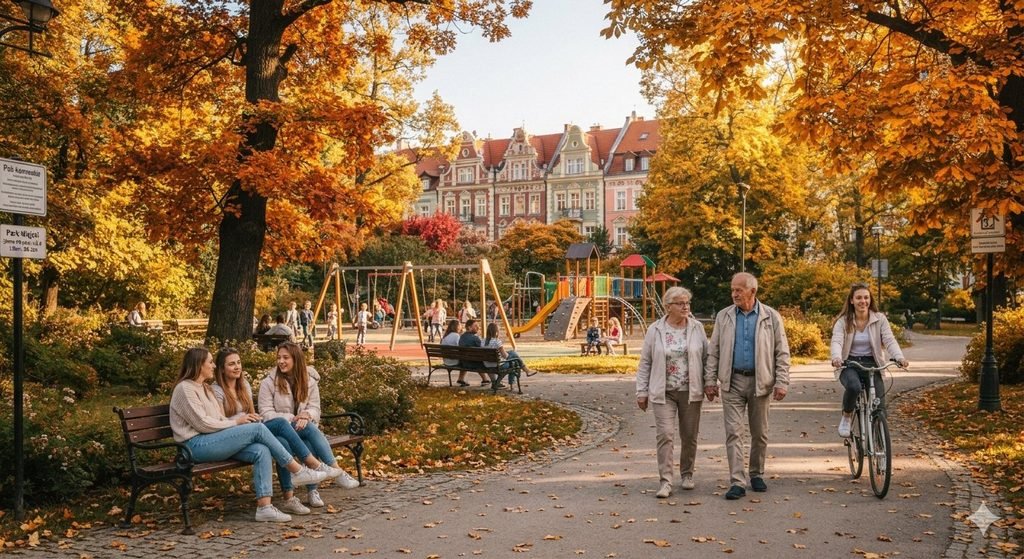
People walk, cycle, talk, sit on benches or take children to playgrounds.
Image credit : Gemini
After lunch, the weekend moves outdoors.
In a Polish town or city, a park can become a small world of its own.
People walk, cycle, talk, sit on benches or take children to playgrounds.
Some may be exercising.
Others are simply enjoying the fact that they do not have to hurry.
In smaller towns, a walk may take people towards the edge of the settlement, where houses gradually give way to fields, woodland or open countryside.
The character of the walk changes with the season.
Spring brings fresh green leaves.
Summer brings longer evenings.
Autumn fills parks and forests with colour.
Winter creates a quieter landscape in which even an ordinary street can look unfamiliar.
The seasons are never merely decoration.
They influence the rhythm of people’s lives.
The Forest: A Weekend Companion
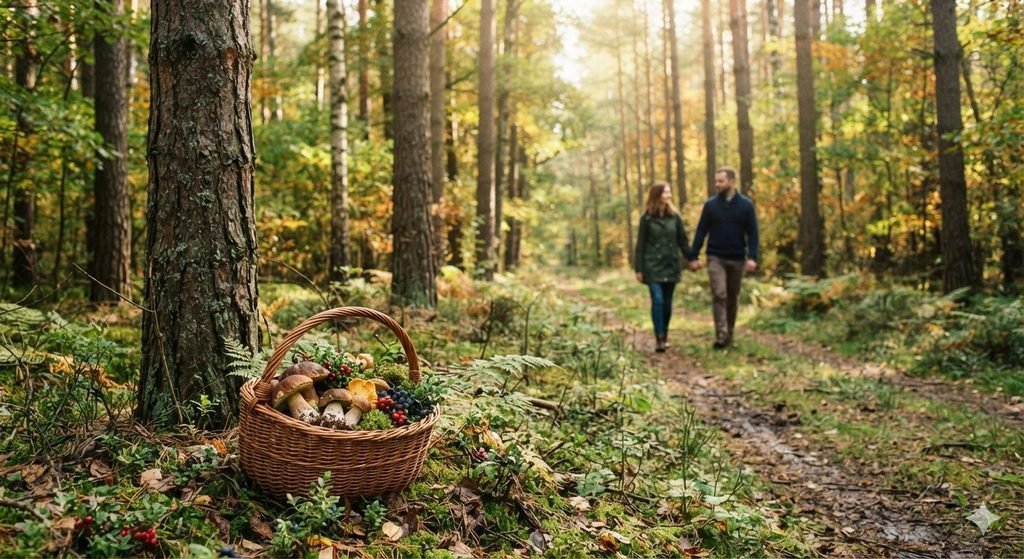
Image credit : Gemini
Poland’s forests have a special place in the country’s landscape and in the imagination of many Polish people.
A weekend forest walk may simply be a way to enjoy nature.
For another person, it may be an opportunity to collect mushrooms or berries.
For children, it can become an informal lesson in trees, plants and changing seasons.
Mushroom collecting is particularly associated with Polish traditions.
Someone who knows the forest well may teach a child which mushrooms are familiar and where they are usually found.
The experience links nature directly with food.
A mushroom that begins its life beneath a tree may eventually become part of a soup, sauce or filling.
The forest and the kitchen are not two completely separate worlds.
One flows into the other.
Saturday Afternoon: Friends, Sport and Small Pleasures
A weekend is also about people outside the family.
For many young Poles, sport can be part of Saturday life.
Football: A Passion Nurtured from Childhood
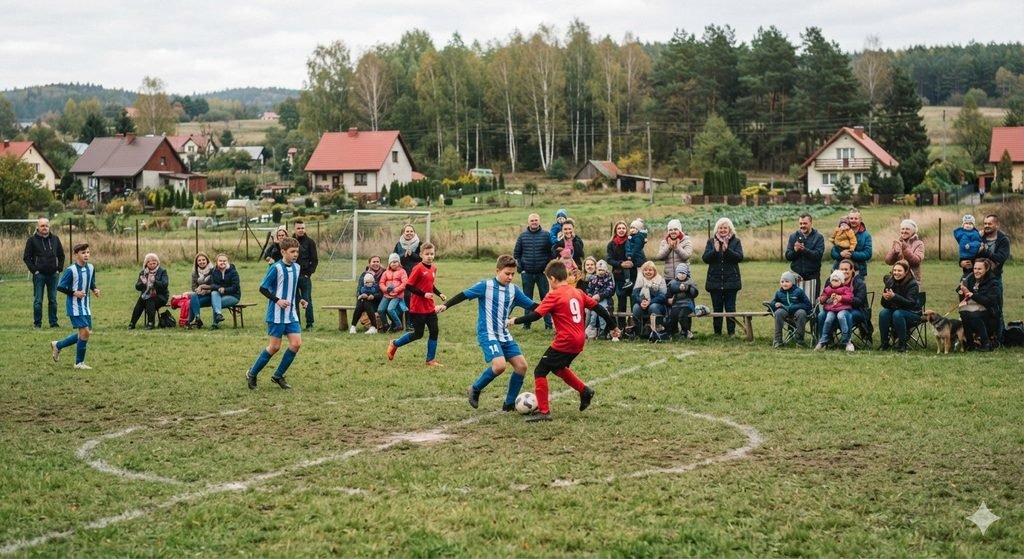
Image credit : Gemini
Football is particularly popular in Poland, where the game brings together children, families and communities. Many youngsters begin by kicking a ball around in school playgrounds, neighbourhood grounds and local parks. Those who show an interest can join youth teams run by local clubs, where coaches help them develop their skills, teamwork and discipline. Larger clubs operate football academies that nurture promising players, some of whom eventually progress to professional football.
At weekends, local matches provide opportunities for young players to test their abilities, while families and friends gather to support their teams. At the professional level, clubs such as Legia Warsaw and Lech Poznań enjoy devoted followings, and the national team inspires a wider sense of pride. For many Polish families, football is more than a game: it is a shared interest that connects generations, neighbourhoods and the hopes of young players dreaming of wearing their country’s colours.
But not everybody spends Saturday around sport.
Someone may meet a friend in a café.
Another person may visit a cultural centre, cinema or library.
A family may simply stay at home.
That variety is important.
There is no single Polish weekend.
There are millions of Polish weekends, each belonging to a different family and a different group of friends.
What connects them is the freedom to step away, for a while, from the weekday routine.
Grandparents and the Passing of Time
Perhaps this is also a good moment to think about the older generation.
A Polish grandparent may live independently from adult children and grandchildren, while still remaining closely connected to them.
A grandmother may prepare something special for grandchildren visiting at the weekend.
A grandfather may take them for a walk, help them with something around the house or tell stories about his childhood.
And those stories can sometimes open another door into Poland’s past.
An older person may remember a Poland very different from the one a child sees today.
There may be memories of shortages during the communist period, stories of parents and grandparents who experienced war, or memories of the enormous changes that came after the political transformation of 1989.
For a young person, these may sound like stories from another world.
But for the older generation, they are memories of their own childhood and youth.
This is how history quietly travels.
It moves from one generation to another not only through books and classrooms, but through conversations at home.
When Music Becomes Part of the Weekend
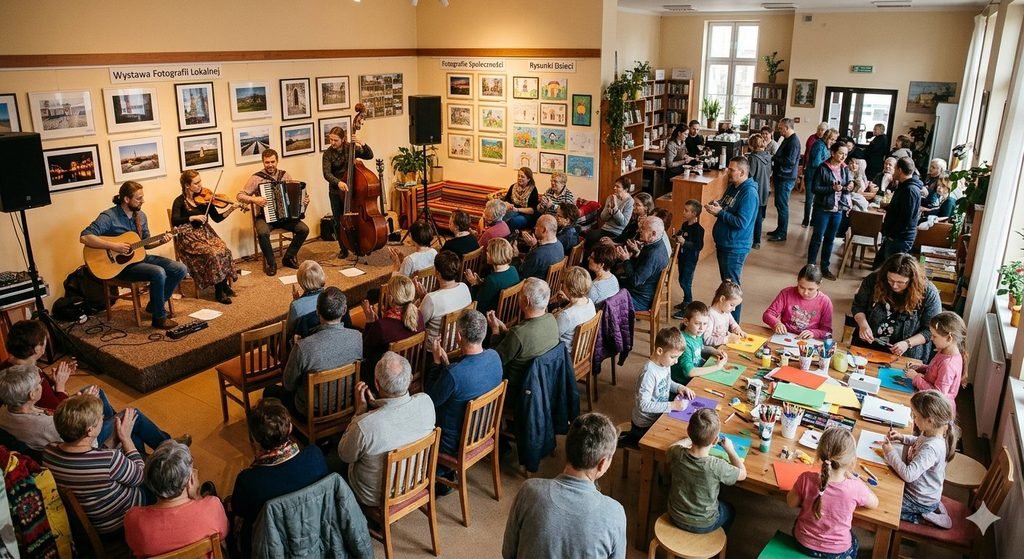
Image credit : Gemini
A Polish weekend is not only about food, family and walks.
There may also be music.
In a town square, cultural centre or community hall, a Saturday or Sunday event may bring people together for a concert, folk performance, local exhibition or seasonal celebration.
Sometimes the music is modern.
Sometimes it reaches further back.
Polish folk traditions include lively regional dances, songs and distinctive costumes, and these traditions continue to appear at cultural festivals and community events. A young person watching a folk group perform may see something that belongs to an earlier Poland, while the music is being enjoyed by people living very much in the present.That meeting of old and new is interesting.
An elderly person may recognise a melody from childhood.
A parent may know the dance.
A child may be encountering it for the first time.
Nobody needs to announce that culture is being preserved.
It is simply being performed, watched and enjoyed.
A Community Comes Together
Local cultural centres can become particularly important at weekends.
A Polish cultural centre can be a lively yet welcoming place on a Saturday afternoon. Inside, the atmosphere may shift from the quiet concentration of an art exhibition to the cheerful sounds of music rehearsals or the animated conversation of people attending a workshop. Children may be painting or learning traditional crafts, while adults gather for photography classes, dance sessions, poetry readings or small concerts. On some weekends, local artists display their work, amateur theatre groups perform, or musicians introduce audiences to Polish folk music and dance. Older residents may come to meet friends, share their skills or participate in community activities.
What makes these centres interesting is the way they bring different generations together. A grandparent may attend a concert while a grandchild takes part in an art workshop; a young musician may perform alongside experienced local artists. In this friendly setting, culture is not confined to books or museums. It becomes something people practise, share and enjoy together. For many visitors, a cultural centre is therefore not merely a place of entertainment, but a small meeting ground where community life finds expression and traditions find new life among younger generations. Sometimes a community festival (such as Lublin’s Re:tradition festival) celebrated at these centres become a kind of living bridge between generations.
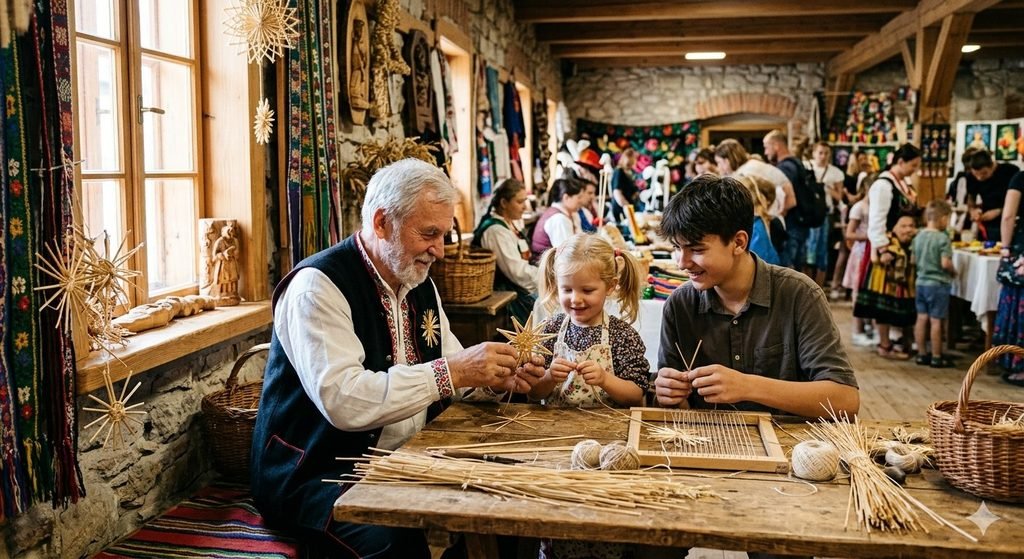
Image credit : Gemini
Sunday Morning: A Different Rhythm
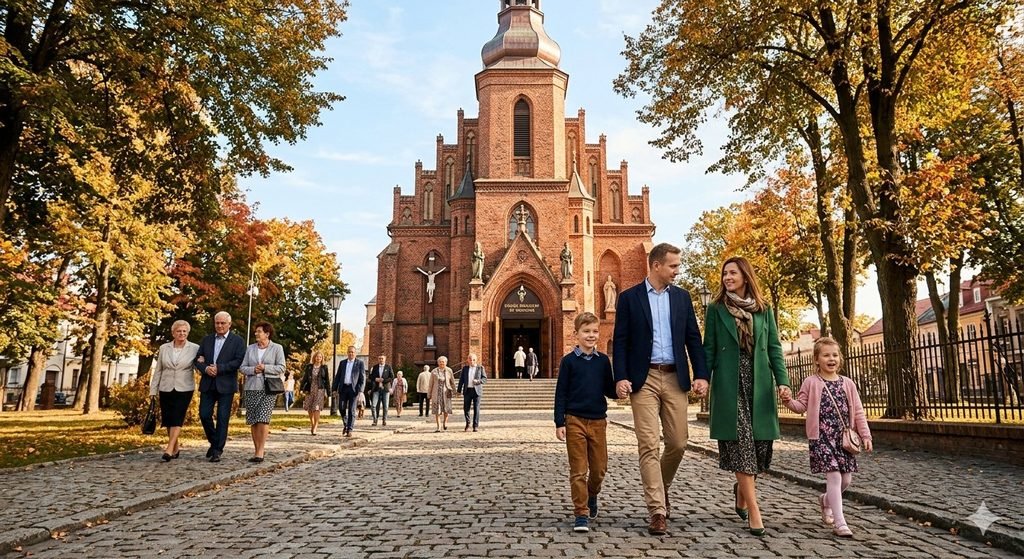
Image credit : Gemini
Sunday arrives more quietly.
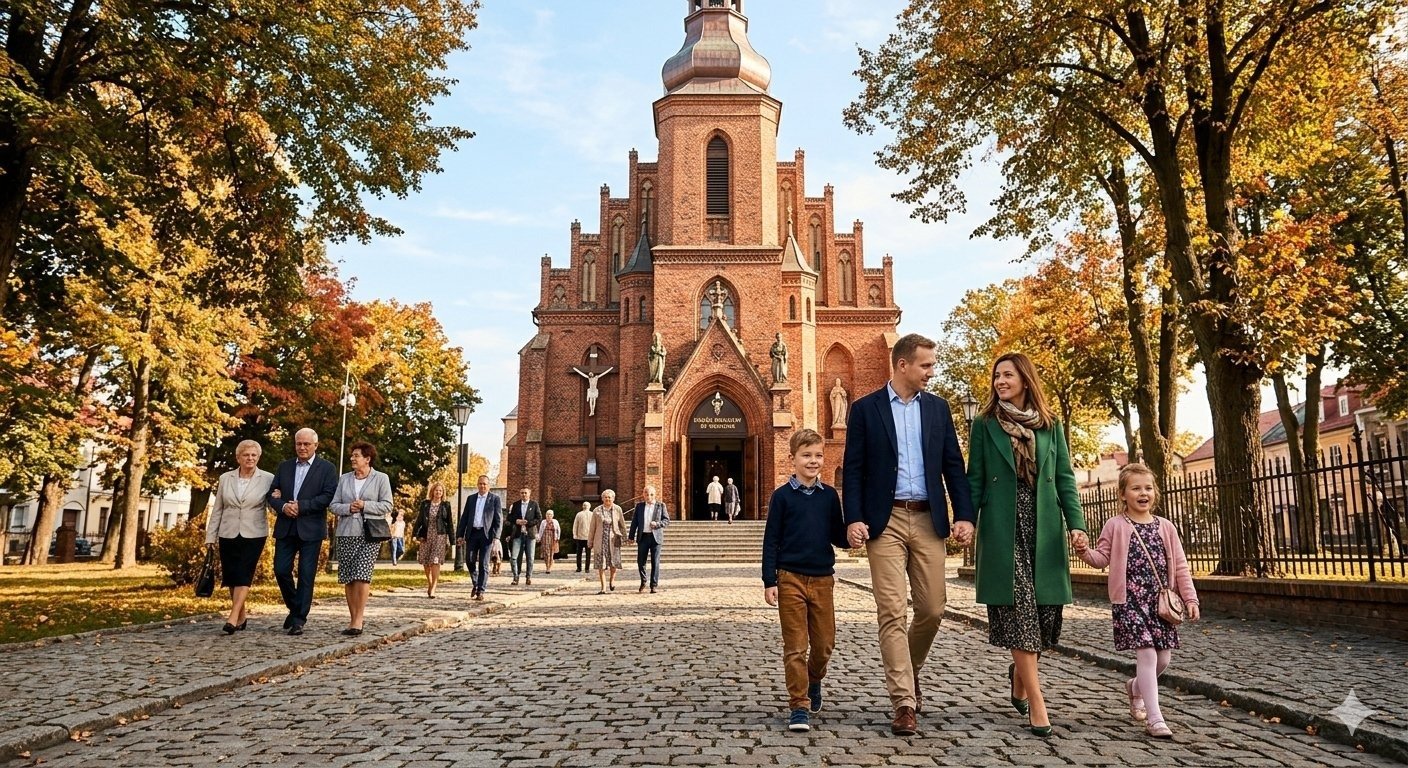
For some Polish families, Sunday morning may include attending church. For others, it may be a leisurely breakfast, a walk or time spent at home.
Poland has a strong Christian cultural heritage, although modern Polish society includes people with many different beliefs and lifestyles.
Whatever one’s personal routine, Sunday can have a slower character.
The shopping and errands of Saturday may be over.
There is more time for relatives.
And often there is more time for food.
The Sunday Table
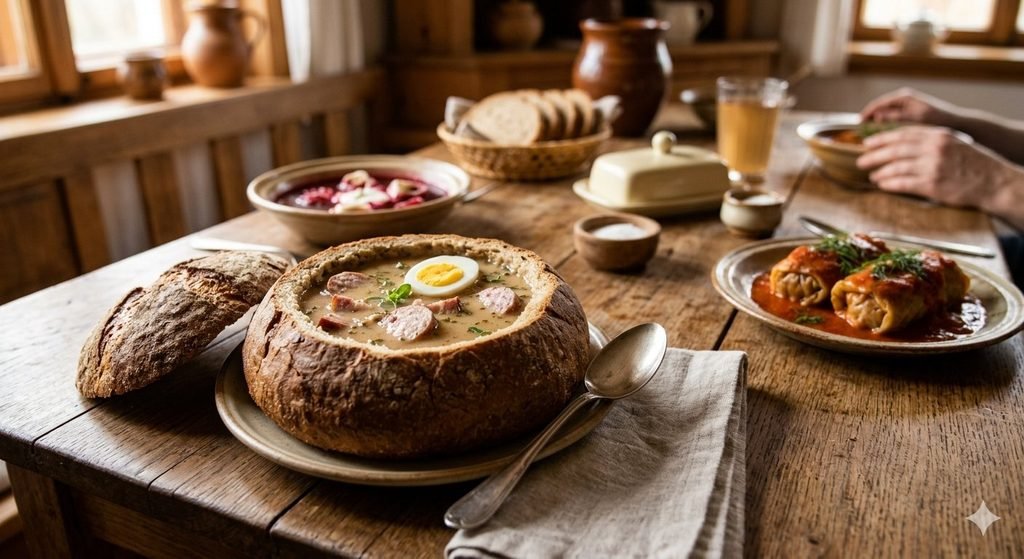
Image credit : Gemini
A Polish Sunday lunch can be one of those ordinary family moments that stays in memory.
There may be soup first.
Żurek, made with fermented rye, is one of Poland’s distinctive soups. Barszcz, made with beetroot, is another familiar part of Polish cuisine.
The main course might include meat, potatoes and vegetables, or dishes such as gołąbki—cabbage leaves wrapped around a filling.
The menu will vary from family to family.
But the table is what matters.
Someone has spent time preparing the meal.
Children are waiting.
Grandparents may be present.
Conversation begins.
Perhaps someone talks about the week’s events.
Perhaps an old family story is repeated yet again.
Nobody announces that history is being preserved.
But in a sense, it is.
Family life is one of the places where a nation’s memory continues to breathe.
When History Comes to the Table
Poland’s past cannot be completely separated from such ordinary moments.
The country has experienced partitions, foreign rule, war, occupation and political change.
The Second World War caused immense destruction and suffering in Poland, leaving memories that remain deeply embedded in Polish society.
The post-war communist period brought another very different chapter.
Then came the political transformation of 1989 and the gradual opening of Poland to a new economic and social era.
A young Pole today lives in a very different country from the one their grandparents knew.
Yet traces of the past remain.
Perhaps in an old photograph.
Perhaps in a story told over Sunday lunch.
Perhaps in the way an older person remembers shopping, school, travel or family life decades ago.
The past does not always announce itself.
Sometimes it simply sits quietly beside the present.
Sunday Afternoon: Cake, Coffee and Conversation
After lunch comes another familiar pleasure.
Coffee or tea.
A piece of cake.
And conversation.
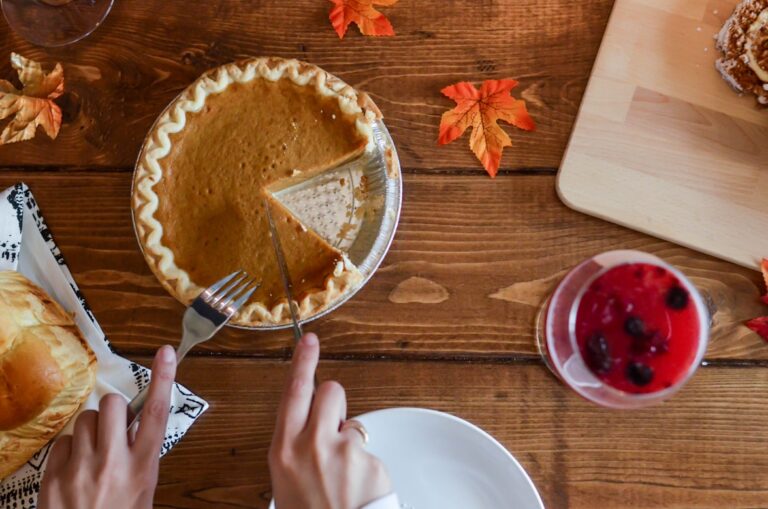
Sernik, the Polish cheesecake made with traditional farmer’s cheese, is a favourite.
Szarlotka, the Polish apple cake or pie, offers another taste of the countryside.
Apples have an important place in Polish agriculture, and orchards form part of the country’s rural landscape.
So even a simple piece of apple cake can carry an echo of the land.
The orchard becomes fruit.
The fruit becomes a cake.
The cake becomes part of a Sunday afternoon.
And suddenly agriculture, family and memory are sitting together at the same table.
Sunday Evening: The Week Returns
Eventually, Sunday evening arrives.
The school bag is prepared.
Homework is finished.
Clothes for Monday are chosen.
A parent looks at the calendar.
The kitchen becomes quiet again.
The weekend has almost disappeared.
But perhaps something remains.
A family meal.
A walk.
A conversation with a grandparent.
A football match.
A forest path.
A market crowded with familiar faces.
A plate of pierogi.
A piece of apple cake.
Small things, perhaps.
But isn’t ordinary life made mostly of such things?
What a Polish Weekend Reveals
Our journey into Poland began with a map.
We looked at its neighbours and thought about the difficult corridors through which Polish history has travelled.
But after spending a weekend there, perhaps our attention moves somewhere else.
Towards a kitchen.
A family table.
A market.
A forest.
A park.
A café.
A grandmother talking to a child.
A young person meeting friends.
A changing season outside the window.
The past is still there.
But it is not the whole story.
People live in the present.
They cook, work, study, meet friends, raise children, care for parents, walk through parks and enjoy their weekends.
That may be one of the most human things about history.
Countries may carry memories of wars and political upheavals, but generations that come afterwards still have to live ordinary lives.
They still celebrate birthdays.
They still bake cakes.
They still walk through forests.
They still gather around family tables.
And they still look forward to the weekend.
Perhaps that is why Poland makes such an interesting stop in our European weekend journey.
Beneath the geography is history.
Beneath the history is memory.
And beneath the memory is everyday life.
A life of family, food, friendship, changing seasons and small pleasures.
The very things that, in the end, make a place feel like home.
From Poland, our European weekend journey will now move further south towards Greece, where the light, sea, family life, food and outdoor living will offer us yet another way of looking at the ordinary weekend.