The Health Benefits of Gardening: How My Indian Garden Taught Me to Live Better
There are mornings when the world seems to wake with a task.
And also there are mornings when it simply breathes.

One such morning arrived quietly at my home in Birpur, a small township near the Indo–Nepal border in the eastern Indian state of Bihar. The monsoon had visited through the night, leaving behind no dramatic storm, but, only its gentle signature. The old brick wall besides our house had turned a deeper shade of red. Delicate ferns had appeared between weathered cracks as though they had been waiting patiently for months to make their entrance. Moss spread over forgotten corners with the confidence of an artist who never doubts the beauty of green.
I stood there for several minutes with a cup of tea in my hand and felt that it was unusually peaceful.
At first I dismissed it as one of those pleasant moods that come and go. But as the days passed, I began noticing something curious. Every time I spent even a few minutes among the plants—watering them, observing new leaves, or simply standing still—my mind became calmer. Problems that had appeared overwhelming inside the house; somehow became manageable outdoors in this humble garden.
I wondered whether this was merely imagination.
Or was something deeper happening?
That question sent me on a journey that surprised me.
Most of us think of gardens as decorations.
They make homes beautiful. They produce flowers, fruits, or vegetables. Some people grow them as a hobby after retirement. Others see them as weekend work requiring watering cans, pruning shears, and patience.
Rarely do we think of gardens as quiet physicians.
Yet modern science is beginning to reveal something remarkable.
Researchers across the world are discovering that spending time among plants influences the human body in ways our ancestors may have understood instinctively but could never measure. A simple act like tending soil can lower stress hormones. Looking at greenery may help our brains recover from mental fatigue. Even the invisible microorganisms living in healthy soil appear to interact with our immune system in fascinating ways.
For centuries, poets wrote that nature heals.
Today, neuroscientists, psychologists, and physicians are finding evidence that they may have been right.
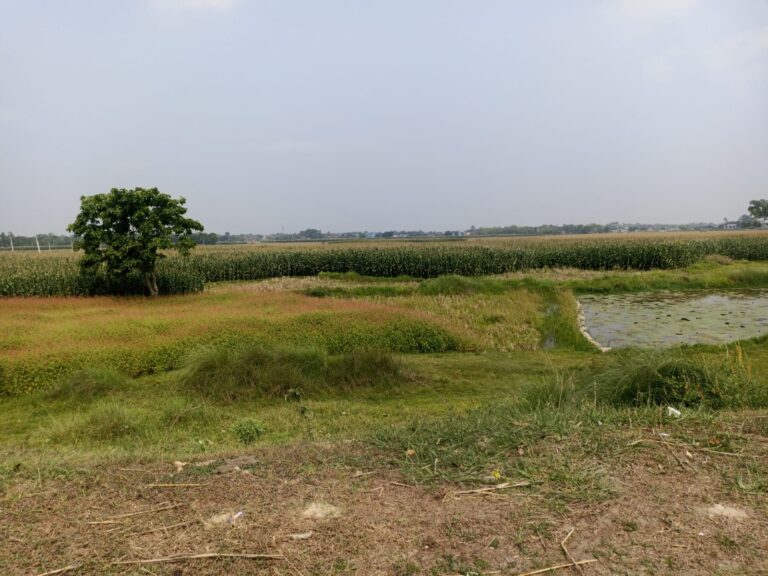
In old times playgrounds were fields after harvest. Space around village ponds, mango orchards, or shaded courtyards provided enough place to run and play. Life itself quietly included nature. Children climbed trees not because it improved motor skills but because mangoes looked irresistible.Grandmothers tended plants because homes felt incomplete without them.
Farmers walked across fields before sunrise because crops demanded attention.
The language was different.
The wisdom was the same.
Somewhere along the journey toward modern life, however, many of us exchanged living landscapes for glowing screens.
We spend entire days surrounded by concrete, artificial lighting, traffic noise, and endless notifications competing for our attention. We exercise indoors while looking at digital forests projected on television screens. We download meditation applications while ignoring the neem tree standing patiently outside the window.
Technology has undoubtedly improved our lives.
But perhaps it has also quietly increased the distance between human beings and the environments that shaped us for thousands of years.
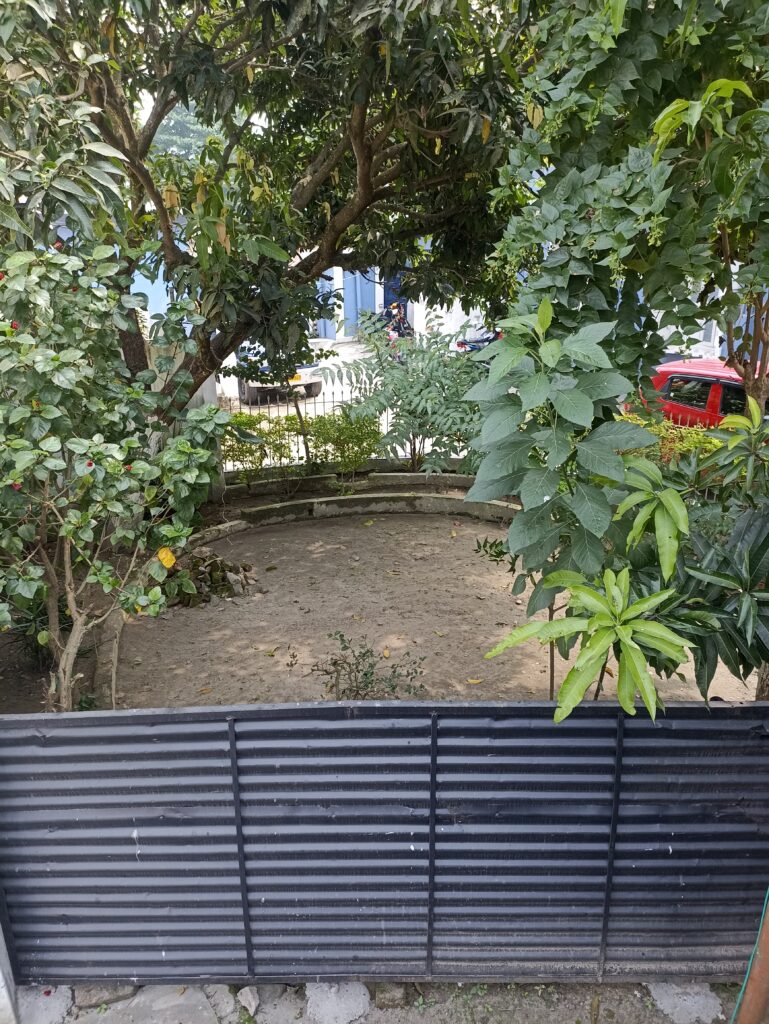
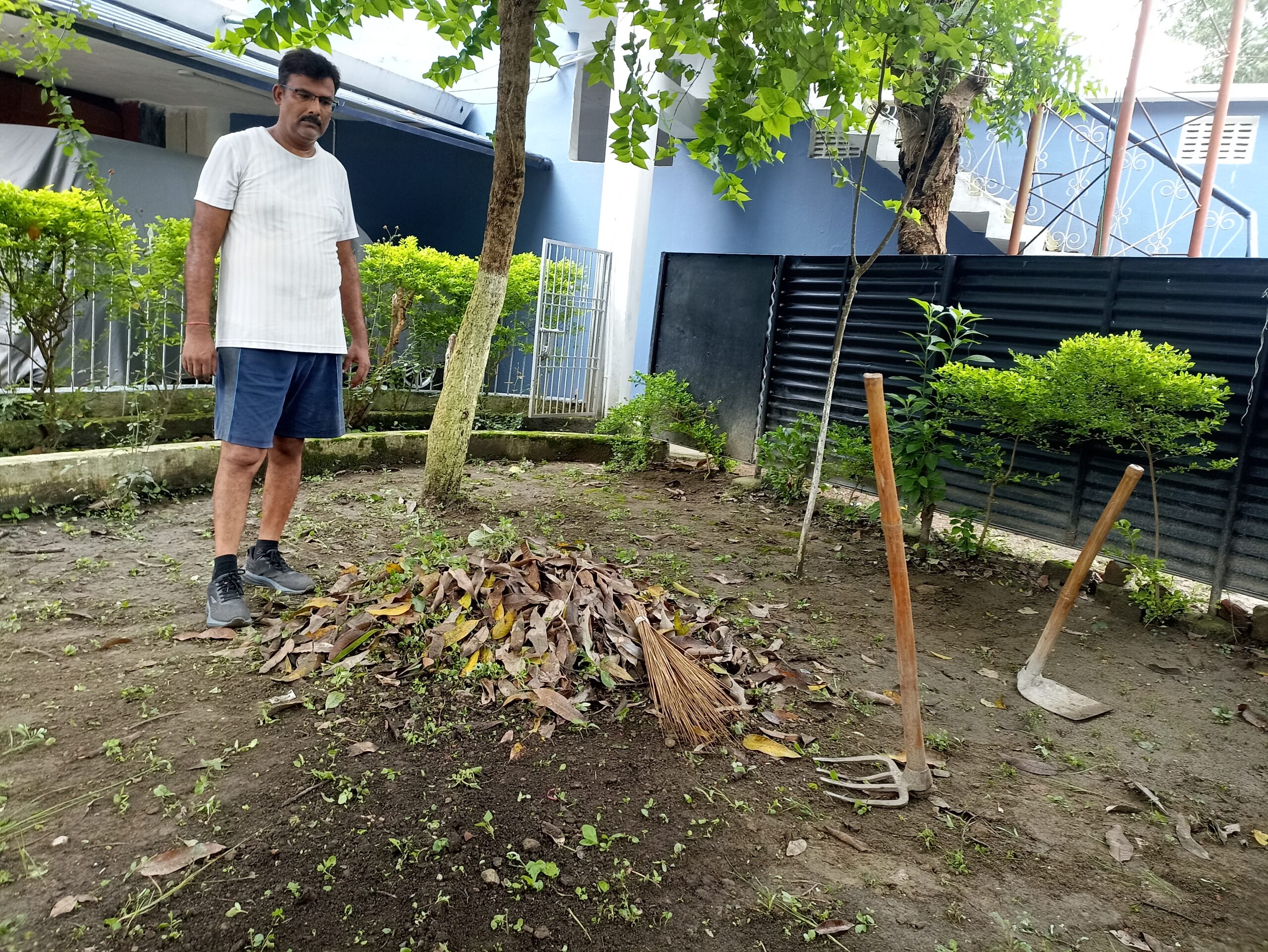
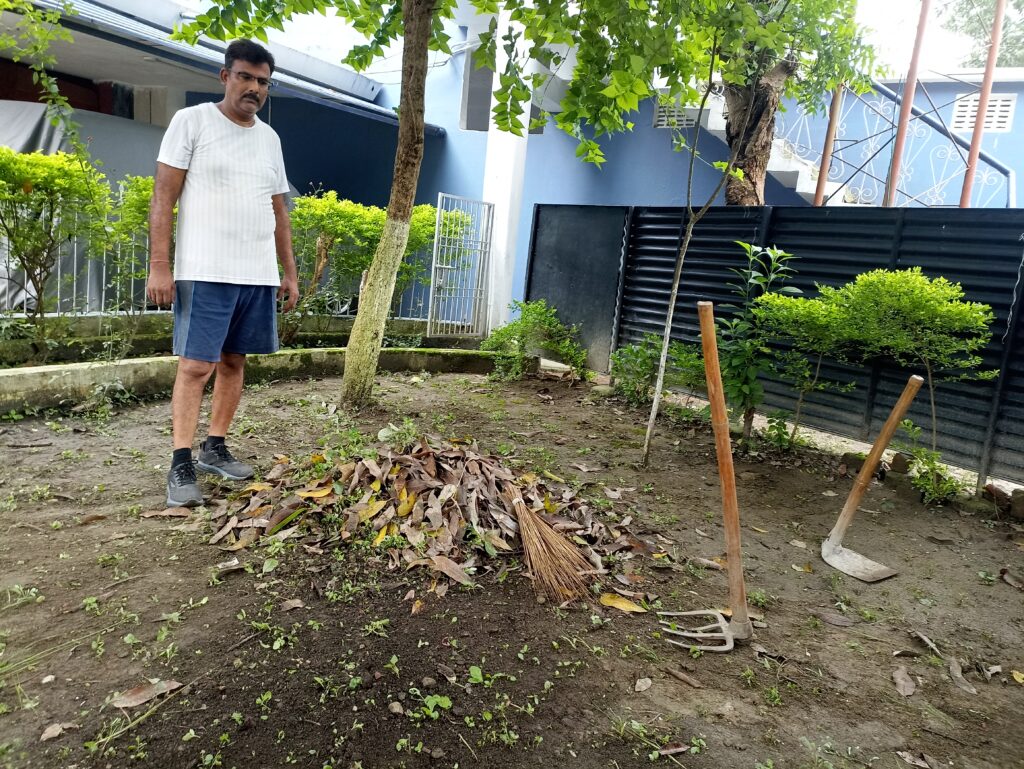
When I look at my little garden today, I often smile at its imperfections. One corner grows faster than another. An old brick carries patches of green moss that no designer would deliberately paint. Tiny ferns appear after rain and disappear during hotter weeks. Nothing remains exactly the same. Perhaps that is precisely why the place feels alive.
Unlike the polished perfection we often admire online, gardens never pretend to be flawless.
Leaves dry.
Flowers bloom and fall.
Seeds disappear beneath the soil before returning months later as something entirely different.
Without speaking a single word, every garden teaches one of life’s oldest truths:
Growth is rarely dramatic.
It is almost always quiet.
Maybe that is why gardens comfort us. They remind us that meaningful change often happens beyond immediate visibility.
While reading scientific literature about gardening, I found myself smiling at an unexpected realization. Many of the newest discoveries sounded strangely familiar. Not because I had studied medicine. But because my grandparents had lived them.
My grandmother never hurried while watering plants.
She spoke to them.
As a child, I thought it was merely affection.
Today researchers speak of slow, attentive engagement with nature improving emotional well-being and reducing chronic stress. Scientists use sophisticated instruments. Grandmothers simply used experience.
Different languages.
Remarkably similar conclusions.
Standing in my garden one evening, I noticed something I had overlooked for years. The plants never competed for attention. The fern did not envy the hibiscus. The moss never complained about growing in the shadows. The mango tree did not bloom every season with equal enthusiasm.
Each followed its own rhythm.
Human life, by contrast, often feels like a race measured in promotions, followers, examinations, and deadlines.
Perhaps that is why gardens calm us.
They gently introduce us to another definition of success—not faster, not louder, simply truer to one’s own season.
What Happens to the Brain When We Garden?
When I first began tending my small patch of greenery, I never imagined that the greatest transformation might be taking place not in the plants, but inside my own mind.
Gardening appears deceptively simple. We loosen the soil, sow a seed, water it, remove weeds, and wait. Yet hidden within these ordinary actions is a pattern that modern neuroscience increasingly recognises as remarkably healthy for the human brain.
Today’s world demands constant attention. Phones vibrate. News updates arrive every minute. Emails compete with conversations. Our minds rarely experience silence.
A garden asks for something entirely different.
It asks us to notice.
Notice the first unfurling leaf on a fern.
Notice that yesterday’s bud has become today’s flower.
Notice that the soil is drier on one side than the other.
Notice that the butterfly visiting this morning is not the same one that came yesterday.
These are not tasks that exhaust attention. They gently restore it.
Psychologists describe this as Attention Restoration Theory. Unlike the intense concentration required for office work or digital screens, natural environments engage what researchers call “soft fascination”—a form of effortless attention that allows the brain’s directed attention system to recover.
Perhaps that is why many of us return from a walk in a park feeling mentally lighter, even when nothing extraordinary has happened.
A garden offers that experience not once a year, but every morning.
Researchers have also found that regular gardening is associated with lower perceived stress, improved mood, and better emotional well-being. Some studies suggest that older adults who garden frequently maintain stronger cognitive health than those who remain physically inactive. While gardening is certainly not a cure for illness, it appears to be one of those rare activities that simultaneously engages the body, the mind, and the emotions.
Think about what gardening quietly asks us to do.
We plan.
We observe.
We remember.
We solve small problems.
We make decisions.
We adapt when nature surprises us.
Very few hobbies exercise so many parts of the brain at once.
As children, many of us did not need scientific studies to persuade us outdoors.
The Invisible Companions Beneath Our Feet
For centuries, gardeners have spoken of “good soil.”
Science now reveals that good soil is astonishingly alive.
A single handful of healthy garden soil contains billions of microorganisms—bacteria, fungi, and countless tiny forms of life that work together to sustain plants. Without them, forests would struggle to survive, crops would fail, and the cycle of life would slow dramatically.
What is fascinating is that these microscopic communities may influence us as well.
Researchers studying the relationship between humans and nature have explored how exposure to diverse outdoor environments can help train our immune systems. Some scientists have also investigated whether certain naturally occurring soil bacteria interact with our bodies in ways that may influence mood and emotional well-being.
The science is still developing, and many questions remain unanswered. Yet the direction of research is deeply intriguing.
Perhaps our ancestors understood something intuitively that laboratories are only beginning to measure.
Perhaps humans were never meant to be completely separated from the living earth.
Children who grow up digging in gardens often develop not only stronger curiosity but also a familiarity with insects, birds, seasons, rain, and soil itself. To them, nature becomes less of an abstract idea and more of a trusted companion.
Adults often need to relearn what children discover naturally.
When our hands touch the earth, we are reminded that life is far larger than our schedules.
Lessons That No Classroom Can Teach
A garden is a quiet teacher.
Its lessons are never shouted.
They unfold one season at a time.
No textbook can truly teach patience in the way a seed can.
You cannot command a mango tree to bear fruit before its season.
You cannot persuade a rose to bloom because you are in a hurry.
You cannot negotiate with the monsoon.
Nature keeps her own calendar.
This may be one of gardening’s greatest gifts to modern people.
Our lives increasingly operate at digital speed. Messages travel instantly. Food arrives within minutes. Artificial intelligence answers questions in seconds.
But a garden gently reminds us that some of life’s most meaningful achievements cannot be accelerated.
Roots take time.
Trust takes time.
Healing takes time.
Character takes time.
Growth takes time.
Perhaps that is why gardeners often appear calmer.
Not because life has spared them difficulties.
But because the garden has quietly taught them how to wait.
Growing a Life, Not Just a Garden
One of the quiet truths I have discovered is that a garden changes with us.
As children, we are fascinated by seeds because they seem magical. We bury something that looks lifeless, and a few days later, green shoots emerge from the earth. It feels like witnessing a miracle.
As adults, gardening becomes something different. It offers a refuge from deadlines, notifications, and the endless urgency of modern life. The few minutes spent watering a plant in the early morning often become the only moments of the day when the mind is completely present.
In later years, a garden can become an old friend. It asks for gentle movement, rewards patience, and provides a reason to step outdoors every day. Research increasingly suggests that these simple routines—light physical activity, regular exposure to sunlight, contact with nature, and a continuing sense of purpose—are all associated with healthier ageing. Perhaps this is one reason community gardens have become popular in many countries, where they serve not merely as places to grow vegetables but as spaces to cultivate friendships, belonging, and emotional well-being.
Looking at this growing body of scientific evidence, I find it remarkable that so much of what researchers are discovering today echoes what many cultures have quietly practised for generations.
The Japanese philosophy of Ikigai teaches that a meaningful life is built from small, purposeful acts repeated with care. Gardening embodies that idea beautifully. There is no applause when a seed germinates. No audience watches a gardener remove weeds or water thirsty plants. Yet these humble acts accumulate into something enduring—not only a flourishing garden but also a calmer, steadier inner life.
Perhaps that is why gardening feels less like a hobby and more like a conversation with time itself.
Every season reminds us that endings are followed by beginnings.
Leaves fall.
New buds appear.
Flowers bloom.
Petals fade.
Nothing lasts forever, yet nothing truly stands still.
A garden teaches us to accept both joy and change with equal grace.
Back to My Garden in Birpur
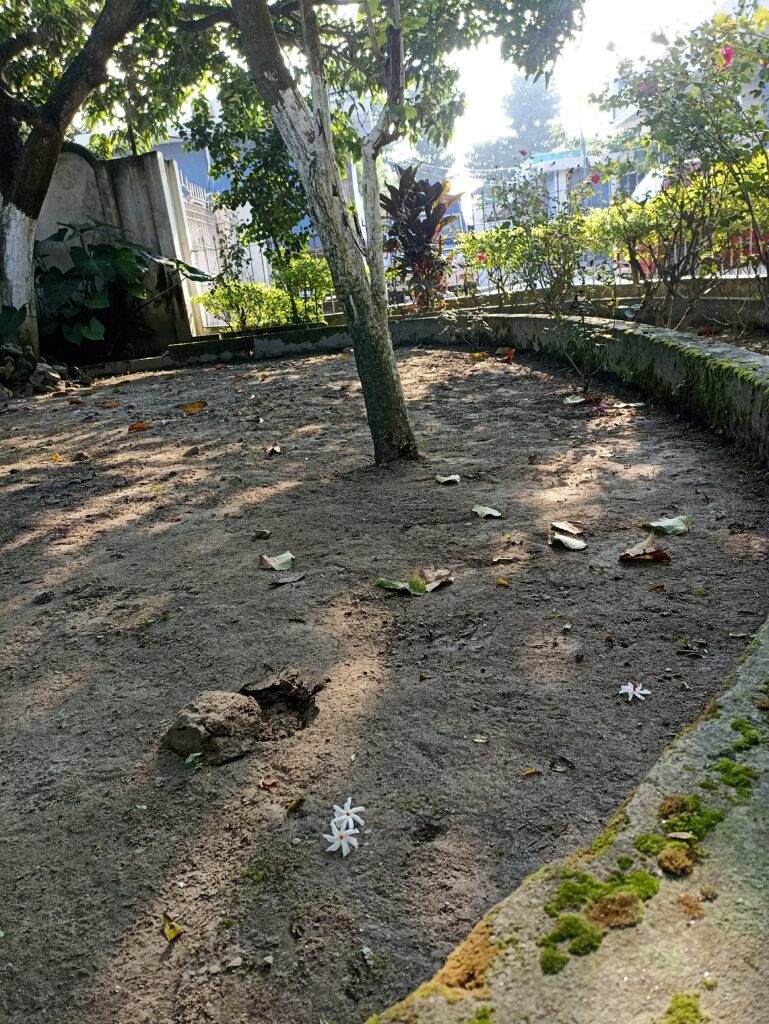
As I write these words, my thoughts again return to my small garden. There is nothing extraordinary about it. Yet every morning, it offers me something that feels increasingly precious: a few quiet moments in a noisy world.
Over the years, I have realised that these moments have been quietly shaping me. They have taught me to notice rather than rush, to observe rather than merely look, and to appreciate that life’s deepest satisfactions often arrive without announcement.
Science can explain much of what happens when we spend time in gardens. It can measure changes in stress hormones, study the brain, examine the microbiome beneath our feet, and document the health benefits of regular gardening.
Those discoveries are valuable.
They help us understand how gardening benefits us.
But they cannot fully explain why standing beside a newly opened flower on an ordinary morning can leave us feeling unexpectedly grateful.
Some experiences remain beautifully beyond measurement of science!
And perhaps that is exactly as it should be.
In an age when success is often measured by speed, productivity, and constant achievement, a garden quietly offers a different definition of a good life.
Grow steadily.
Care deeply.
Be patient.
Leave the world a little greener than you found it.
Maybe that has been nature’s lesson all along. And maybe that is the real harvest.
And, if this article inspires even one reader to plant a tree, grow a flower in a balcony pot, or spend a few unhurried minutes in a nearby park, then it has already fulfilled its purpose.
Because sometimes the smallest seed we plant is not in the soil.
It is in ourselves.