When a Tiny Toffee Travels the World: Why Human Beings Need Gifts
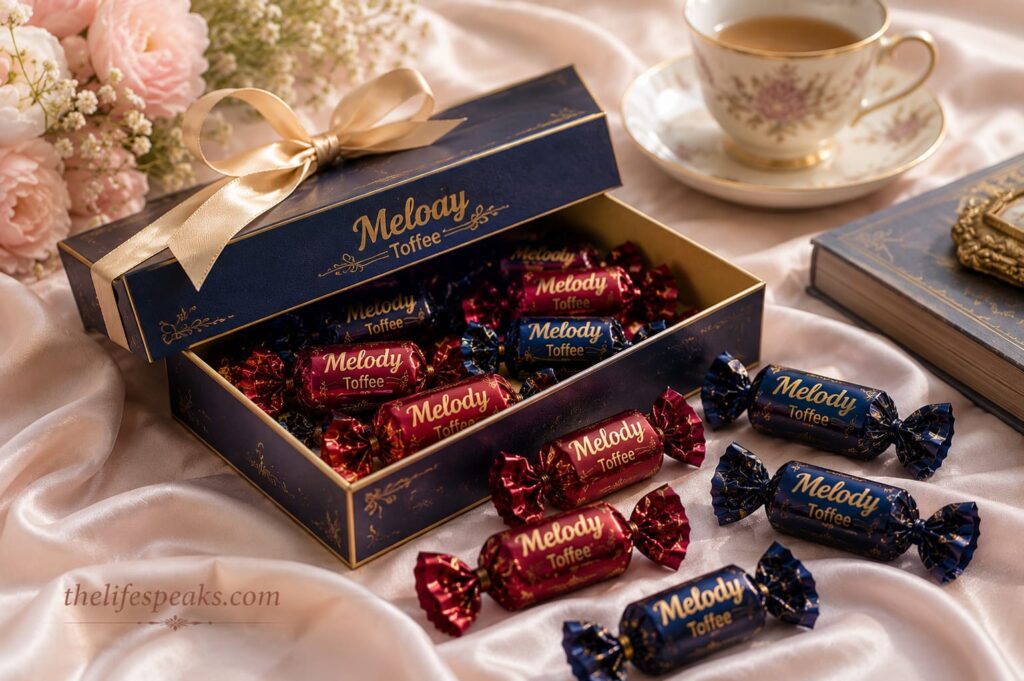
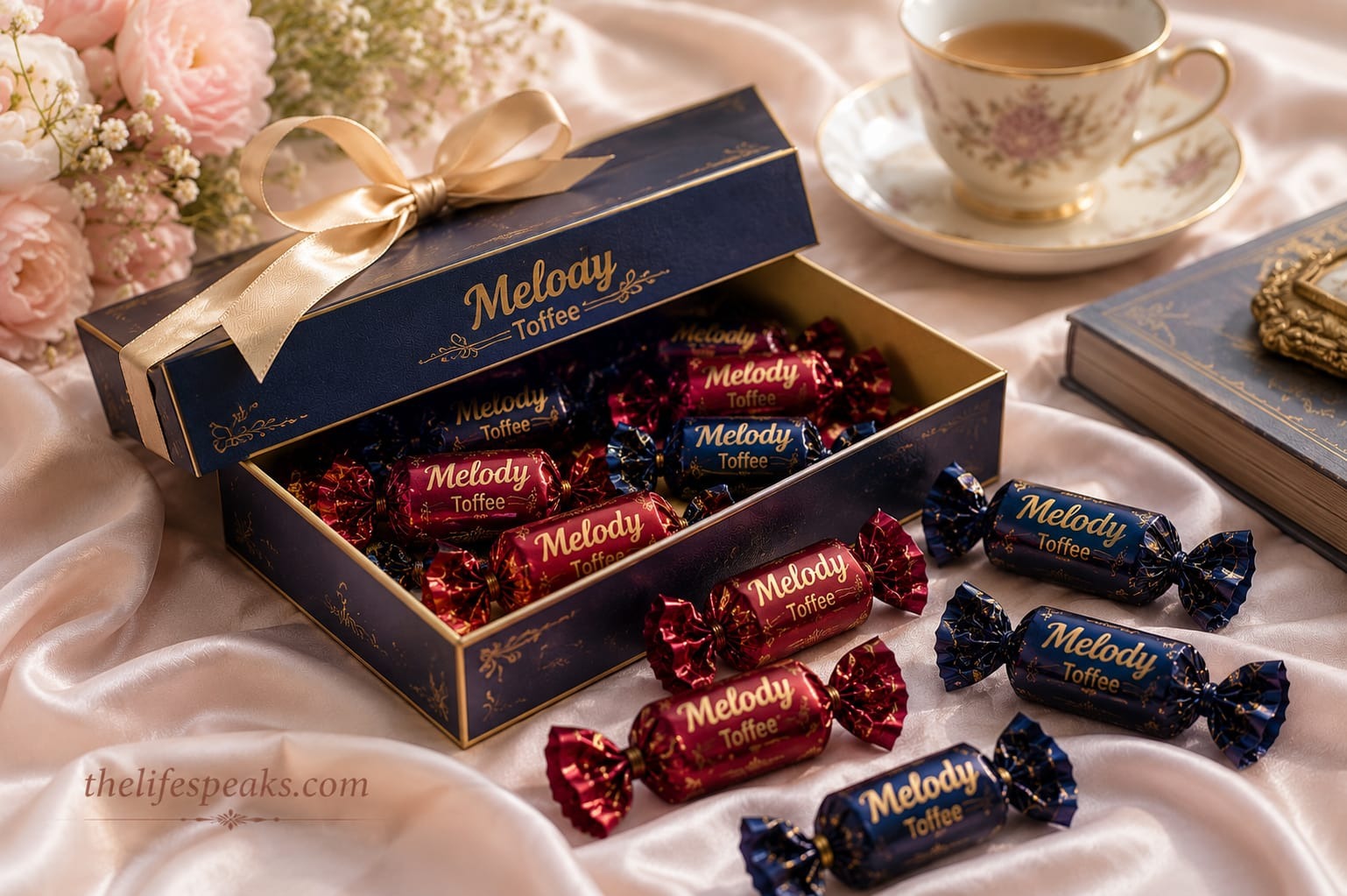
A Melody toffee crossed continents recently. Not through commerce. Not through advertisement. Not even through childhood nostalgia.
It travelled through a gesture.
When Indian Prime Minister Narendra Modi reportedly handed a packet of Melody toffee to Italian Prime Minister Giorgia Meloni, social media instantly found delight in what many jokingly called the latest chapter of “Melodi”—the internet’s playful nickname for the warmth visible between the two leaders.
A small candy. A brief smile. A fleeting moment.
Yet something about it touched people across countries.
Why?
Perhaps because beneath diplomacy, politics, and global headlines, people suddenly recognized something deeply familiar—the language of gifting.
And human beings, across centuries and civilizations, have always spoken that language.
The Strange Magic of Small Gifts
A gift is rarely about price.
Sometimes the most memorable gift costs almost nothing.
A dried flower preserved inside an old diary.
A fountain pen from a father.
A handmade bookmark from a child.
A packet of local sweets brought home by someone returning from travel.
Objects become meaningful not because of what they are—but because of who remembered us while choosing them.
Perhaps that is why the Melody-toffee episode amused and warmed so many hearts globally. It did not look staged or grand. It looked personal.
And people everywhere instinctively trust small gestures.
History tells us something fascinating: civilizations are built not merely on wars and treaties, but also on gifts.
When Nations Also Speak Through Gifts
Centuries before emojis softened conversations, kingdoms softened relationships through gifts.
Perhaps one of the most famous examples is the gifting of the Statue of Liberty by France to the United States.
It was not merely metal shaped into a monument.
It was friendship cast into copper.
For millions arriving by sea, that statue silently whispered: You are welcome here.
In East Asia, gifts became an art form.
In Japan, the beautiful tradition of omiyage transformed travel itself into an act of remembrance. One rarely returns from a journey empty-handed. A small regional sweet, delicately packed, says something profound:
“I travelled, but I thought of you while away.”
China too evolved a symbolic culture of gifting where meaning matters as much as the object itself. Numbers, colours, and even wrapping quietly speak emotional language.
Europe, meanwhile, perfected ceremonial gifting. Royal courts exchanged paintings, rare clocks, porcelain, silk, perfumes, and books—not merely to impress, but to signal friendship, respect, and cultural admiration.
It appears humanity learnt very early that what words sometimes fail to express, gifts gently accomplish.
A Few Lines the Heart Never Forgets
At this point, one quietly remembers the beautiful words of Kahlil Gibran from The Prophet:
“You give but little when you give of your possessions.
It is when you give of yourself that you truly give.”
Perhaps that is why certain gifts survive decades.
Not because they were expensive.
But because somewhere inside them lived affection.
An old scarf still carrying the memory of a grandmother.
A book gifted with handwritten notes.
A postcard from someone no longer alive.
The object stays.
But what truly remains is the invisible tenderness attached to it.
Why People Love Visiting Gift Stores
There is also something quietly emotional about places built around gifting.
Why do travellers love wandering through legendary stores around the world?
Because gift-shopping is rarely shopping alone.
It is imagination.
Who will smile when they open this?
Who would secretly love this colour?
What memory shall I carry back home?
People visiting Harrods in London often speak of entering almost like children—wandering through fragrances, teas, chocolates, and keepsakes while imagining loved ones back home.
The grand elegance of Galeries Lafayette in Paris draws visitors not merely for luxury, but for beauty itself. Even choosing a small souvenir feels ceremonial.
In Japan, the historic Mitsukoshi stores embody refinement where wrapping itself becomes part of the emotional experience. Presentation there whispers respect.
And who can forget Europe’s Christmas markets?
Wooden stalls glowing under winter lights, handmade ornaments, warm cinnamon scents, small wrapped surprises—places where gifts seem less like transactions and more like stories waiting to happen.
People visit such places because, somewhere deep inside, human beings enjoy preparing joy for others.
Gifts Are Older Than Language Itself
Anthropologists often suggest that long before formal civilization, human bonds strengthened through exchange.
A shell.
Food shared after a hunt.
A carved stone.
A protective object.
In some invisible way, gifting may have helped human communities survive.
A gift says:
I see you.
I remember you.
You matter enough for me to think beyond myself.
And perhaps that is why celebrations everywhere—from birthdays to Christmas, Diwali to Lunar New Year, weddings to farewells—still instinctively reach for gifts.
Not because humans are materialistic.
But because humans are emotional.
We long to make affection visible.
What a Little Melody Quietly Reminded the World
That tiny packet of Melody toffee, if one pauses to think, carried something unexpectedly profound.
In a world increasingly loud, transactional, and hurried, it reminded people of something delightfully old-fashioned:
Warmth still matters.
Playfulness still matters.
Thoughtfulness still matters.
Sometimes diplomacy arrives wrapped in formality.
Sometimes humanity arrives wrapped in candy.
And perhaps life itself moves gently on such unnoticed gestures.
A fruit left quietly on a hospital table.
A book mailed unexpectedly.
Tea offered without asking.
A remembered birthday.
A simple gift saying:
“You crossed my mind.”
That may be one of humanity’s most beautiful habits.
For in the end, gifts are not merely objects exchanged between hands.
They are emotions travelling between hearts.
And life, as thelifespeaks quietly suspects, becomes gentler wherever people continue the ancient habit of remembering one another—sometimes with grand monuments, sometimes with poems, and sometimes… with nothing more than a tiny toffee carrying a smile across continents.