Thanksgiving in America: A Festival of Shared Humanity and Gratitude
Residing in India itself is like being immersed in festivals. Almost each alternate month has some festival here. But a festival in America named Thanksgiving, almost made me hyper curious to explore this festival through its so interesting name – Thanksgiving – and reach its roots. And what unfolded before me, was really an eyeopener. Behind this festival called Thanksgiving, appeared a story of subtle transition between history, nature, and cultures. And all these attributes, weave here an story for the visitors to this site- thelifespeaks.com.
Participation and Scale of Thanksgiving Celebration in America
Every culture has its moments of collective warmth. In United States, Thanksgiving is one such celebration which seems to wrap the entire nation in a single, shared heartbeat. It is not just a holiday; it is a national homecoming, a ritual of gratitude, and an emotional anchor that pulls even the busiest lives back to family tables.
The Great American Homecoming
In the U.S., Thanksgiving creates the largest annual human movement in the country.
Airports overflow. Train and bus stations throb with passengers. Highways look like glowing ribbons of slow-moving lights.
Even college students who live thousands of miles away from home somehow manage to return.
Workers save their last leave. Cities briefly empty out.
It feels as if the entire nation is silently agreeing:
“No matter where we are, we must go home today.”
The Preparation Frenzy
Long before the last Thursday of November, the atmosphere grows charged. Supermarkets get crowded as families buy turkeys so large they barely fit into the shopping cart. Streets brighten with early winter decorations. And ovens in American homes start working overtime — roasting, baking, warming.
Cooking becomes a team sport.
Every family has “that one dish” — grandma’s stuffing, aunt’s pecan pie, a cousin’s creamy mashed potatoes — which is awaited the whole year.
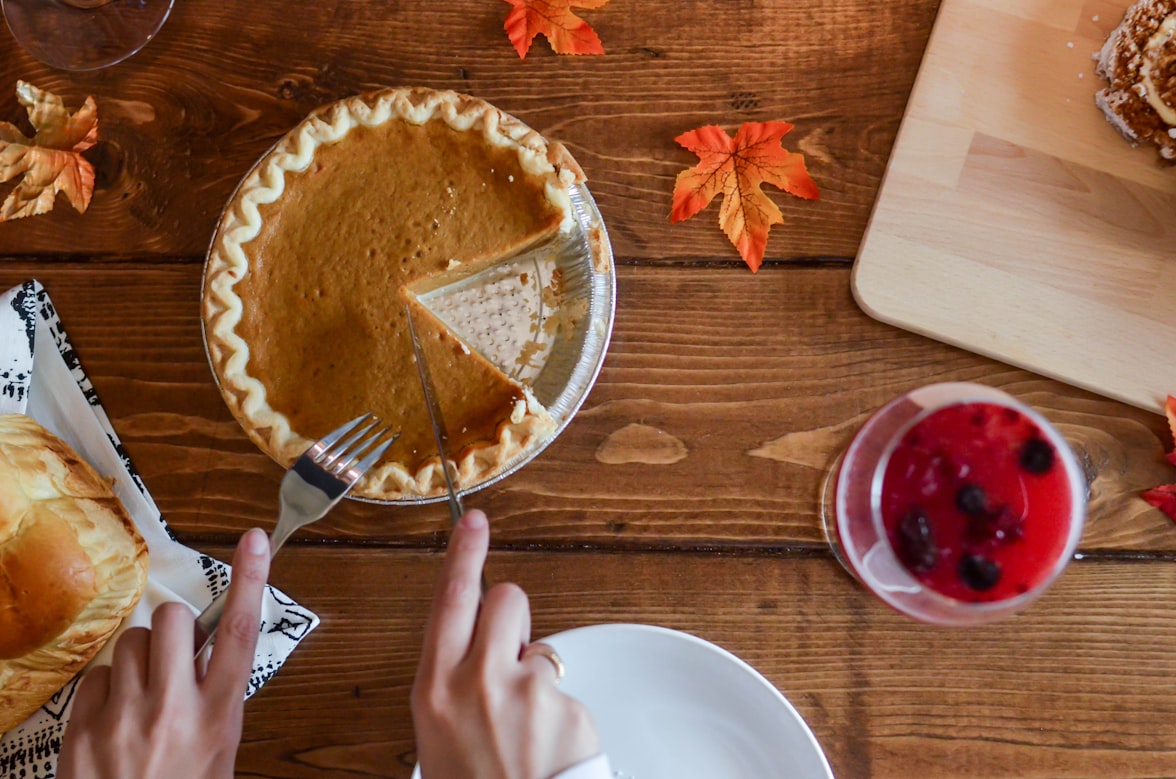
On Thanksgiving Day, dining tables across America look like they have been dressed for a royal banquet. Roasted turkey, bowls of cranberry sauce, mashed potatoes, breads, casseroles, gravies, and autumn vegetables – the whole paraphernalia ! And last but not the least- desserts — especially pumpkin pie — arrive like the final blessing.
The meal is not just food; it is memory, heritage, and affection.
Expressions of Gratitude
Before the first slice of turkey is cut, many families go around the table sharing what they are thankful for — health, family, new opportunities, or simply the joy of being together.
This ritual gives the festival its emotional quietness — a moment of reflection inside all the excitement.
The Public Celebrations
While homes glow with warmth, the country also celebrates outdoors. You can feel this national pulse in-
- New York’s Macy’s Thanksgiving Day Parade — giant balloons, marching bands, dancers, floats, and millions of viewers.
- American Football Games — a tradition loved fiercely.
- Charity kitchens and community centers serve meals to the homeless and elderly.
The festival becomes a blend of family ritual, public spectacle, and national generosity.
The Season Also Infuses tenderness to This Festival
Thanksgiving arrives just as the American autumn makes its final bow – bare trees hold the last golden leaves, air grows crisp but festive, and houses glow from inside, giving the landscape a postcard-like charm.
For someone coming from India, where winter festivals sparkle with loud lights and vibrant crowds, the Thanksgiving atmosphere feels quieter, gentler — yet deeply touching.
A Shared National Memory
What amazes me most is how Thanksgiving binds together people of every background — regardless of race, religion, or roots. Whether a family arrived in America 400 years ago or just moved last month, Thanksgiving becomes theirs to celebrate.
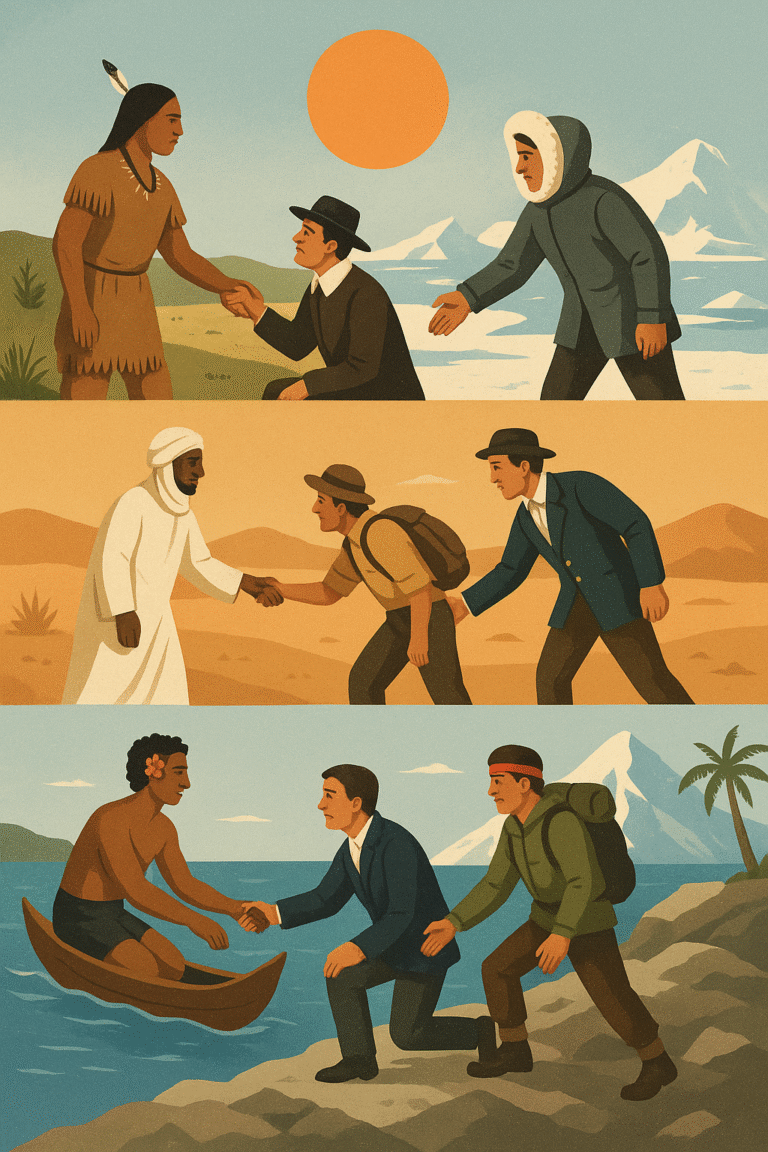
And this is what makes the next part of the story — the early 1600s, the story of pilgrims from England, and the gesture of generous Wampanoag people of America towards them — even more touching. Because the origins of this warm festival lie not in abundance, but in survival, humility, and unexpected help from those who were already the keepers of the land.
The Story of the Pilgrims, the Puritans & the Mayflower (A Historical Tale)
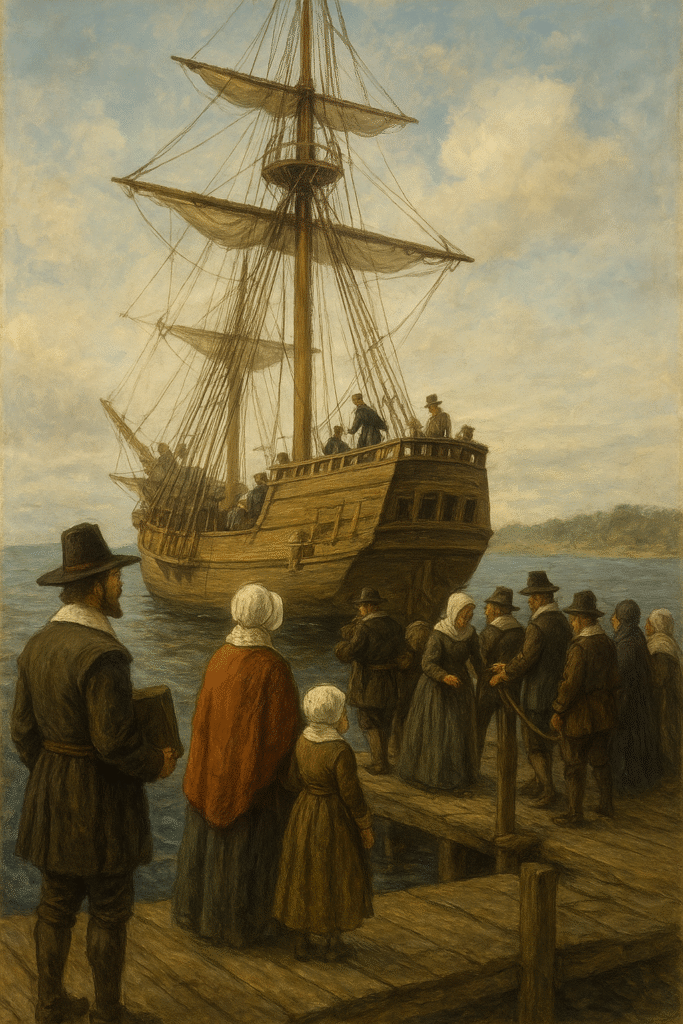
Imagine England around the early 1600s. The air carries a strange tension—church bells ring as usual, but not everyone hears them the same way. Some people feel that the Church of England has drifted too far from pure Christianity. They want worship to be simpler, cleaner, closer to what they believe God intended.
These men and women come to be known as Puritans—people who want to purify their church.
But within this group lies a smaller, more restless band.
They are called Separatists, because they believe reform will never come. The Church is too powerful, too stubborn. They feel they must separate and live by their own faith.
Yet separating in England is dangerous.
It means fines, prison, even persecution.
And so, one by one, families begin to slip away under the cover of night, across the North Sea to the Netherlands. They live there for some years—quietly, peacefully—but they never feel fully at home. Their children begin speaking Dutch; their traditions start thinning like smoke in the breeze.
“We will lose ourselves,” they whisper.
So they make a decision so bold that even today it feels like a leap across centuries:
They choose to sail to the New World.
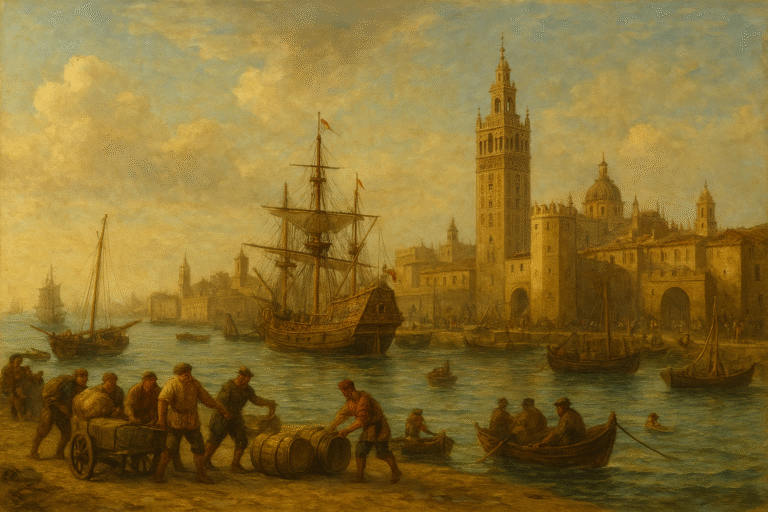
In September 1620, 102 passengers—not soldiers, not merchants, not explorers – just ordinary families- board a small ship named the Mayflower at the harbour in Plymouth, England.
When the anchor lifts, England shrinks behind them like a fading memory. Ahead lies two long months of storms, sickness, sleepless nights, and the constant groaning of wooden planks battling the Atlantic. After 66 days they reached the rugged coastline of North America—cold, forested, and unfamiliar. This is Cape Cod, far north of where they intended to land in Virginia.
It was not just a voyage. It was a pilgrimage of belief. A journey from persecution to possibility. From the old world to the unknown. From fear to freedom.
Settling in a New World
The first winter hits them like a wall. Ice forms on their clothes. Food runs out. Half of the settlers die. But they survive because of their determination, their faith and the generosity of the Native Wampanoag people.
The Wampanoag and Their Crucial Role in 1621
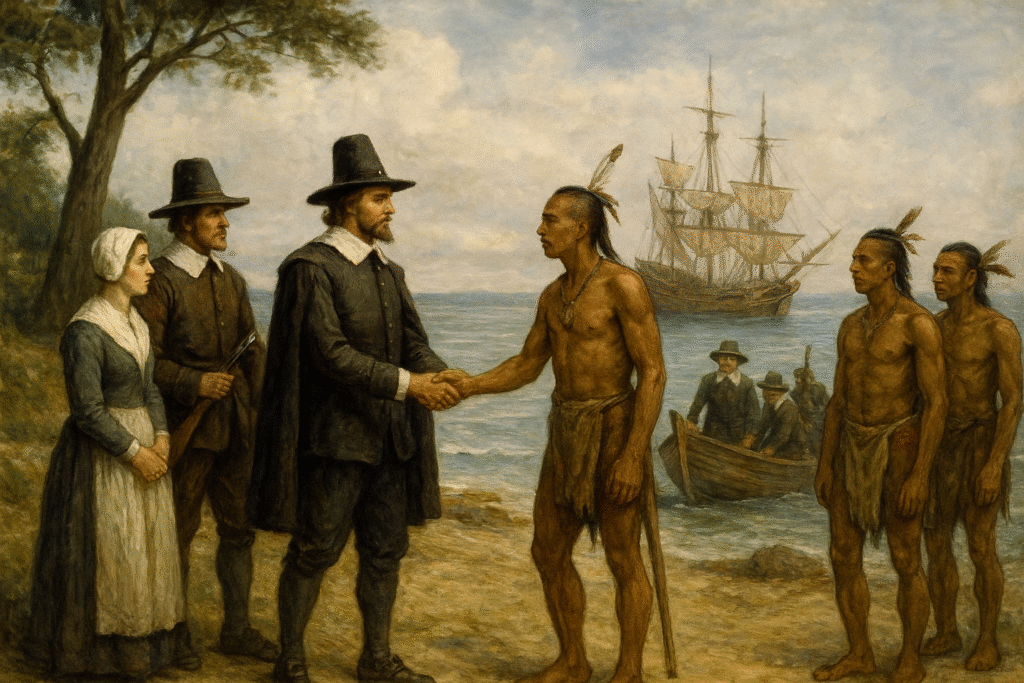
When the English Separatists—later popularly called Pilgrims—arrived in 1620 and built their small settlement at Plymouth, they were not stepping into an empty land. They were entering Wampanoag territory, a homeland where Native communities had lived, farmed, hunted, fished, traded, governed, and developed culture for thousands of years.
Without Wampanoag help, the Pilgrims simply would not have survived.
What the Wampanoag taught the English:
Agriculture
- How to plant the “Three Sisters”: corn, beans, squash
- How to fertilize crops with fish (alewives)
- How to choose planting sites and times in New England climate
Hunting and Gathering
- Where to find wild berries, nuts, edible roots
- How to hunt deer, turkey, and other animals
- Techniques for trapping beaver and other fur-bearing animals
Fishing and Shellfishing
- How to harvest clams, oysters, and mussels
- How to catch eels (a major Native food source)
- Coastal fishing methods unique to the region
Seasonal Living
They showed the settlers how to prepare for winter in a land with harsher conditions than England.
This knowledge directly led to the successful harvest of autumn 1621—the basis of the modern Thanksgiving story. They gathered their first harvest of corn, cooked, prayed, shared food with their Native neighbours, and gave thanks for life.
This moment becomes the root of what Americans now celebrate as Thanksgiving !
.