How Evenings Create Calm Homes Around the World
PART 2 (Series: Calm Homes — How the World Slows Down)
There is a moment every evening when the day quietly loosens its grip.
Shoes come off. Lights soften. The body exhales — often before the mind does.
Nothing dramatic happens.
And yet, this is where calm usually begins.
Across cultures, the evening is not just the end of work.
It is a transition — from performance to presence, from alertness to ease.
Why Evenings Matter More Than We Realise
Psychologically, evenings signal safety.
When the day follows a familiar winding-down rhythm, the nervous system relaxes.
The brain understands: nothing urgent is expected of you now.
This is why calm is rarely created by luxury.
It is created by predictability.
A repeated evening — same hour, same light, same small rituals — tells the body that it belongs somewhere. And belonging is the foundation of calm.
India: Evenings That Unfold Slowly
In many Indian homes, evenings do not arrive sharply.
They unfold.
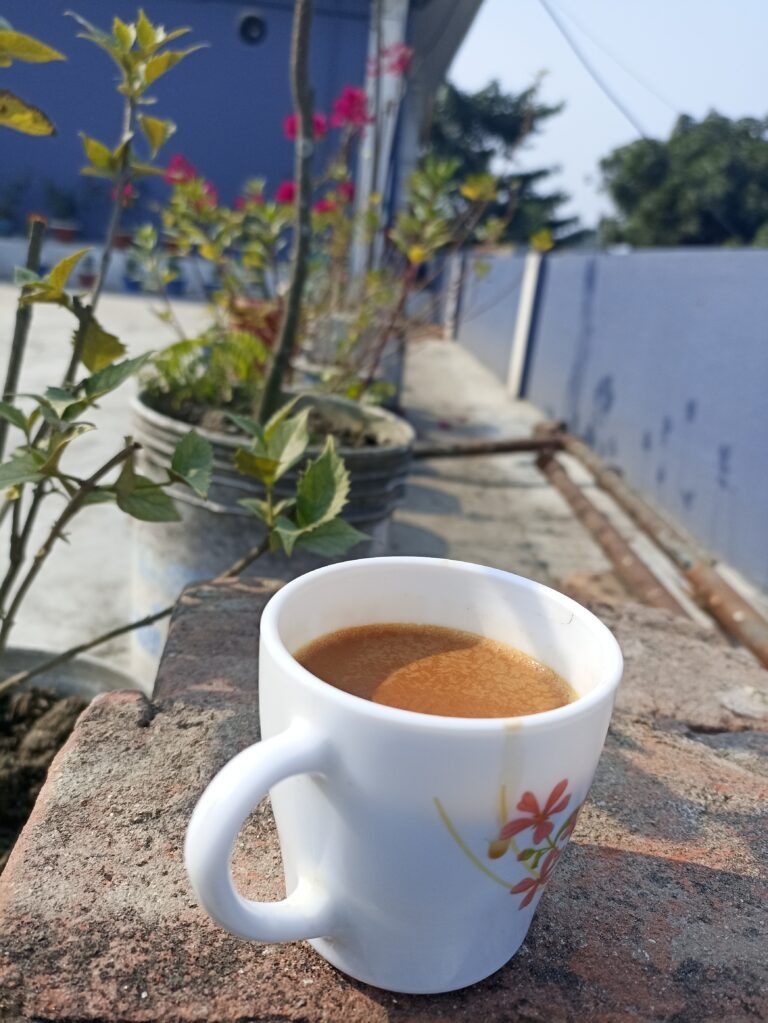
A cup of tea appears. Snacks follow. Someone switches on the television — not to watch closely, but to create a familiar hum. Conversations drift in and out. Silence is never awkward.
Often, people sit together without an agenda.
Not resting. Not working. Just being.
Calm here is collective.
It comes from knowing you don’t have to fill the moment with achievement.
Scandinavia: When Light Softens, Life Slows
In Scandinavian homes, evenings are designed deliberately.
Overhead lights are replaced with lamps. Curtains are drawn early. Candles glow softly against long darkness. There is no rush to stay stimulated.
Silence is welcomed, not avoided.
It is considered a form of care.
This is not emptiness — it is emotional insulation.
A way of protecting the mind from excess noise after a long day.
Japan: Evenings as Respectful Transitions
In Japan, calm often begins at the threshold.
Shoes are left behind — not just physically, but mentally. Baths are taken not in haste, but as a ritual of separation between day and night.
Rooms remain uncluttered. Movements are gentle.
Evenings are not loud endings — they are quiet handovers.
Here, calm is created through respect for boundaries — between outside and inside, effort and rest.
Brazil and Southern Cultures: Calm Through Flow
In Brazil and parts of Southern Europe, evenings breathe outward.
Windows stay open. Balconies fill with conversation. Music drifts softly. Laughter moves between rooms. Life does not stop — it softens.
Calm here is not silence.
It is connection.
The home becomes a place where the day is processed aloud, shared, and slowly released.
What Calm Evenings Around the World Share
Despite their differences, calm evenings quietly agree on a few things:
- The working day must clearly end
- Light should become gentler, not brighter
- Familiar actions reduce mental effort
- Silence or conversation is allowed — but never forced
- Productivity is not required
A calm evening does not demand improvement.
It offers permission – It offers permission to stop striving, it offers permission to be unfinished, it offers permission to rest without guilt and it offers permission to stop responding, proving, explaining.
What Does Your Evening Ask of You?
Some homes invite rest.
Others quietly demand continued alertness.
If calm feels distant, it may not be your home — but your evening rhythm.
What would happen if one small ritual returned?
A lamp switched on earlier.
A phone set aside.
A cup held slowly, without distraction.
Calm rarely arrives all at once.
It enters gently — the way evenings always have.
(In Part 3, we explore how mornings either protect this calm — or undo it before the day even begins.)